Border village · Val Bregaglia
Castasegna
A border village in Italian-speaking Graubünden, on the Maira, known for Villa Garbald — Gottfried Semper's only building south of the Alps.
Castasegna sits on the right bank of the Maira, at the confluence of the Lovero stream and the Val Casnaggina torrent, 9.7 kilometres east of Chiavenna and on the Italian border, at 690 metres — the lowest village in the Graubünden part of the Bregaglia valley. First recorded in 1374 as Castexegnia, it was an independent commune of 6.8 square kilometres until it merged, on 1 January 2010, with Bondo, Soglio, Stampa and Vicosoprano into the new commune of Bregaglia. Its population stood at 191 in 2008, down 11.8% over the previous decade; the village centre is listed as a Swiss cultural property of national importance.
Villa Garbald dominates the village: built between 1862 and 1864 for the customs official Agostino Garbald and his wife Johanna Garbald-Gredig, it is architect Gottfried Semper's only building south of the Alps. Restored in 2004 by architects Quintus Miller and Paola Maranta, it now stands beside the Roccolo, an award-winning residential tower the same architects built the same year just above it. The school and town hall, for their part, date from 1877-1879 and are the work of Venetian architect Giovanni Sottovia.
The village turned Protestant in the 16th century — sources give either 1522 or 1552 — and gained its own pastor in 1553; the Reformed church of Santissima Trinità dates from 1664, and the chapel of San Gian is recorded as early as 1409. Nearby once stood the Brentan, then the largest chestnut forest in Europe, which gives the village its name and its chestnut-tree coat of arms.
The writer Silvia Andrea (1840-1935) and the photographer Andrea Garbald (1877-1958), born and died in Castasegna, are among the village's notable figures. A power plant run by Zurich's municipal utility (EWZ) operates here, and a bypass road built in 1999 relieved the village of through traffic.
Why this place is remarkable
Castasegna owes its architectural renown to a biographical coincidence: the customs official Agostino Garbald had Gottfried Semper build him, in 1862-1864, the architect's only building south of the Alps — then, in 2004, architects Miller & Maranta added the award-winning Roccolo residential tower just above it. Between the two, the lowest village of the Graubünden Bregaglia has kept its old chestnut forest, the Brentan, which gives it its name and its coat of arms.
History and origin
The village, first recorded in 1374 under the name Castexegnia, turned Protestant in the 16th century — sources give 1522 or 1552 — and gained its own pastor in 1553; the Reformed church of Santissima Trinità dates from 1664, and the chapel of San Gian is documented as early as 1409. An independent commune until the end of 2009, Castasegna merged on 1 January 2010 with Bondo, Soglio, Stampa and Vicosoprano to form the commune of Bregaglia.
What to do and see
- Observe Villa Garbald, built in 1862-1864 for the customs officer Agostino Garbald, the only building by Gottfried Semper south of the Alps.
- Compare the villa, restored in 2004, to the Roccolo residential tower, built just above it the same year by Miller & Maranta.
- Spot the school and the town hall of 1877-1879, the work of the Venetian architect Giovanni Sottovia.
- Look for the San Gian chapel, attested from 1409, and the reformed church of the Santissima Trinità, from 1664.
Coming with family: what to know
- Castasegna is the lowest village in the Graubünden part of Bregaglia, at 690 metres above sea level.
As a couple
- Stroll to the confluence where the Lovero and the Val Casnaggina stream meet the Maira, at the Italian border.
- As you explore the village, discover the story of the Brentan, once Europe's largest chestnut grove, which gave it its name and coat of arms.
- Look for traces of the photographer Andrea Garbald, born and died in Castasegna between 1877 and 1958.
Location
Loads an interactive Google Maps view on demand, from the place's verified coordinates.
The embedded map will be enabled once an authorized Google Maps key is configured. Use the link above in the meantime.
The map could not load. Check your connection or use the link above to open the place in Google Maps.
Related places
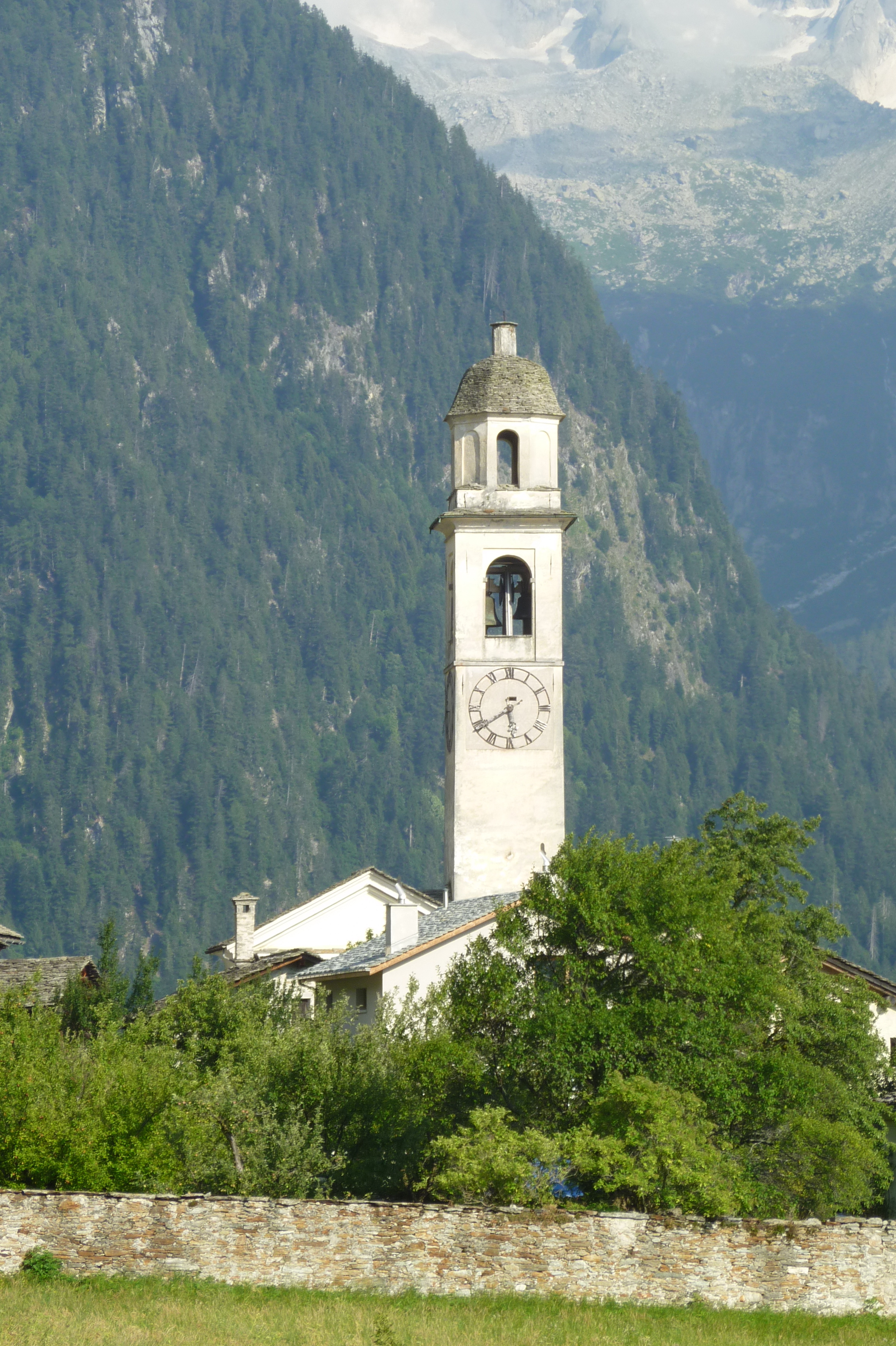
Graubünden · Val Bregaglia · 1 km as the crow flies
Soglio
Set at 1,090 metres on the northern flank of Val Bregaglia, Soglio looks out to the Bondasca glacier. Five palaces of the Salis family stand among the village's stone houses.
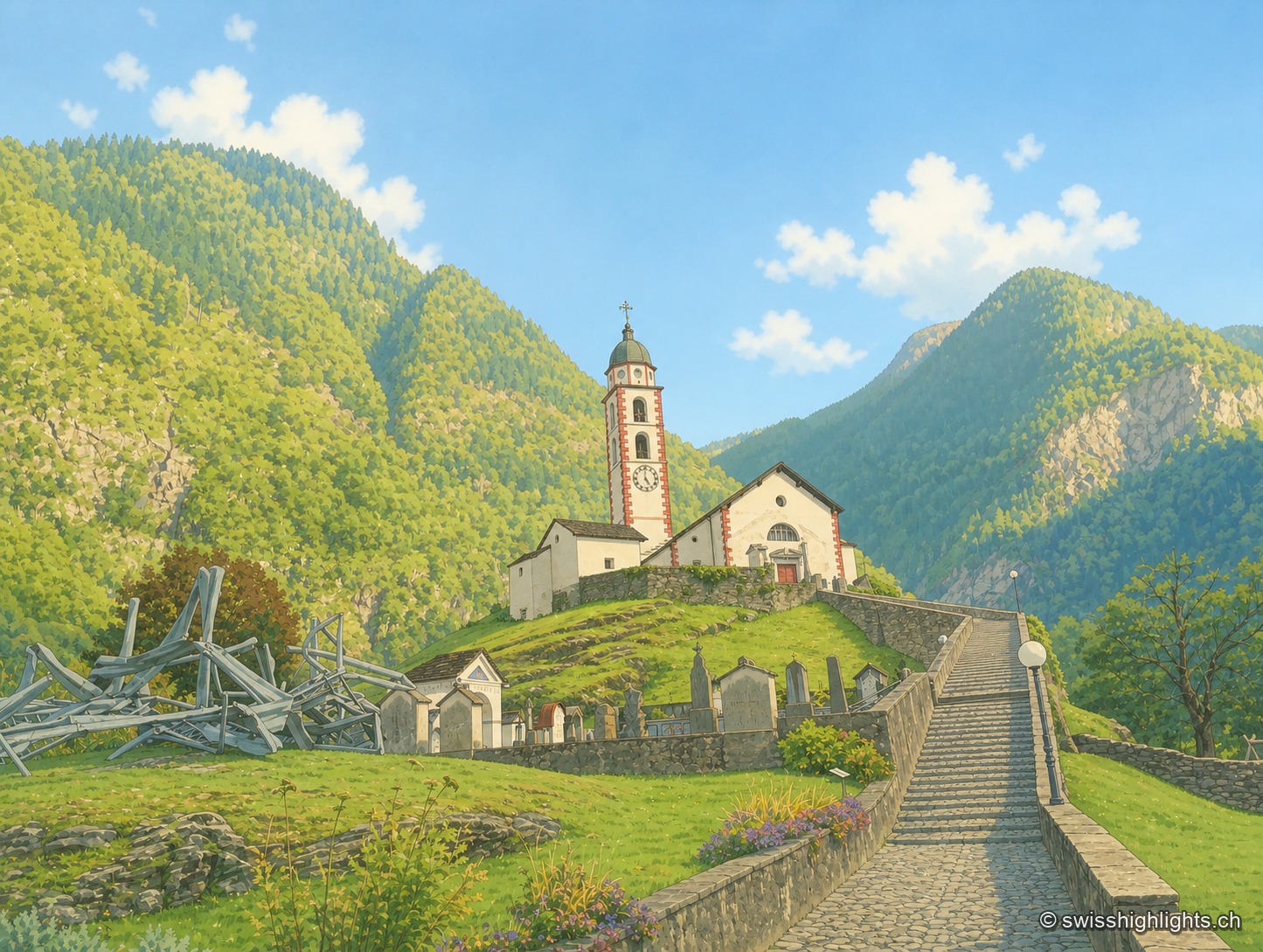
Mesolcina village · Grisons · 23 km as the crow flies
Soazza
324 inhabitants on 46.4 km², more than half of it forest, a church with a striped bell tower on its spur, a frescoed hospice: Soazza holds the hinge between upper and lower Mesolcina.
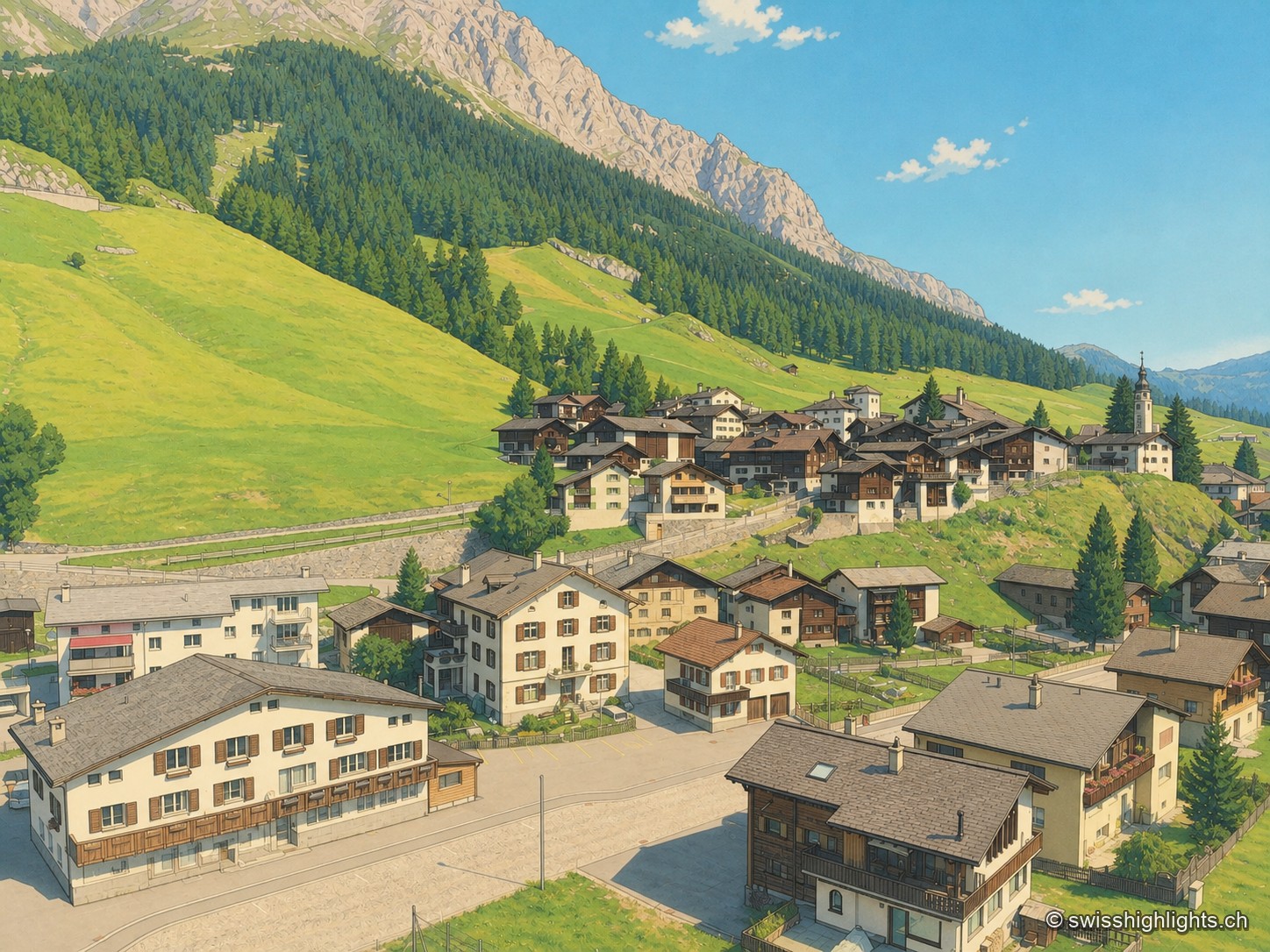
Grisons · Rheinwald · 29 km as the crow flies
Splügen
Splügen holds the floor of the Rheinwald, where the roads to the Splügen and San Bernardino passes part. Its tight-packed houses date from the rebuilding after the fire of 1716.