Cistercian abbey · Zug
Frauenthal Abbey
On a Lorze river island near Cham, Frauenthal Abbey is Switzerland's oldest Cistercian abbey still on its founding site, dating from 1231.
Frauenthal Abbey occupies an island formed by the river Lorze, north of the hamlet of Hagendorn, near Cham, in the canton of Zug. Tradition dates its founding to 1231, but no founding charter survives; the abbey is considered Switzerland's oldest Cistercian community still at its founding site today. A first architectural record appears in a royal privilege of 1252.
In 1528, in the wake of Zurich's Reformation, most of the nuns left the abbey and the abbess handed it over to the Council of Zug. The community was restored in 1552 by Abbess Anna von Fulach. The Treaty of Jonen, signed on 21 February 1602, reorganised governance between the convent, Wettingen Abbey and the city of Zug. During the First War of Villmergen, in 1656, Zurich troops caused the abbey considerable damage, put at more than 4,000 guilders.
Between 1696 and 1698, a Vorarlberg master builder named Moosbrugger raised the abbey's south and east wings. The church was renovated in 1731 by Jost Bernhard Lips, who gave it a baroque interior, then remodelled again in 1775. A comprehensive restoration, carried out from 1972 to 1976, adapted the building to the liturgical reforms of the Second Vatican Council.
From 1953 to 1970 the abbey ran a school of home economics and agriculture for young women. In 1957 it founded a daughter house in Wisconsin, United States, Valley of Our Lady, raised to an independent priory in 1965. Since 2021, Frauenthal has changed its legal form to become a civil-law foundation, while remaining home to a community of Cistercian nuns affiliated with the Mehrerau Congregation.
Why this place is remarkable
Frauenthal is, by tradition, Switzerland's oldest Cistercian abbey still standing on its 1231 founding site — nearly eight centuries without relocation, through the 1528 Reformation, its 1552 restoration, the damage of the 1656 war, and a 2021 conversion to a civil foundation that did not empty it of its community.
History and origin
The traditional founding date of 1231 is supported by no surviving charter; the first architectural trace dates from a royal privilege of 1252. The abbey was emptied by the Reformation in 1528, restored in 1552, then reorganised by the 1602 Treaty of Jonen. The south and east wings were built between 1696 and 1698 by a Vorarlberg master builder, the church renovated in 1731 and again in 1775, before a comprehensive restoration in 1972-1976.
What to do and see
- Observe the convent's setting on its island formed by the Lorze, near Cham.
- Spot the south and east wings, raised between 1696 and 1698 by the Vorarlberg master builder Moosbrugger.
- Discover the Baroque interior decoration given to the church in 1731 by Jost Bernhard Lips.
As a couple
- Visit the island on the Lorze which, according to tradition, holds the oldest Cistercian abbey in Switzerland to have remained on its founding site since 1231.
- Observe the Baroque architecture of the church, renovated in 1731 and then reworked in 1775.
- Trace in your mind the eight centuries of continuity at the site, from the traditional founding of 1231 to the civil-law foundation created in 2021.
The convent remains occupied by a community of Cistercian nuns: a place of religious life, to be visited with the discretion this implies.
Location
Loads an interactive Google Maps view on demand, from the place's verified coordinates.
The embedded map will be enabled once an authorized Google Maps key is configured. Use the link above in the meantime.
The map could not load. Check your connection or use the link above to open the place in Google Maps.
Related places
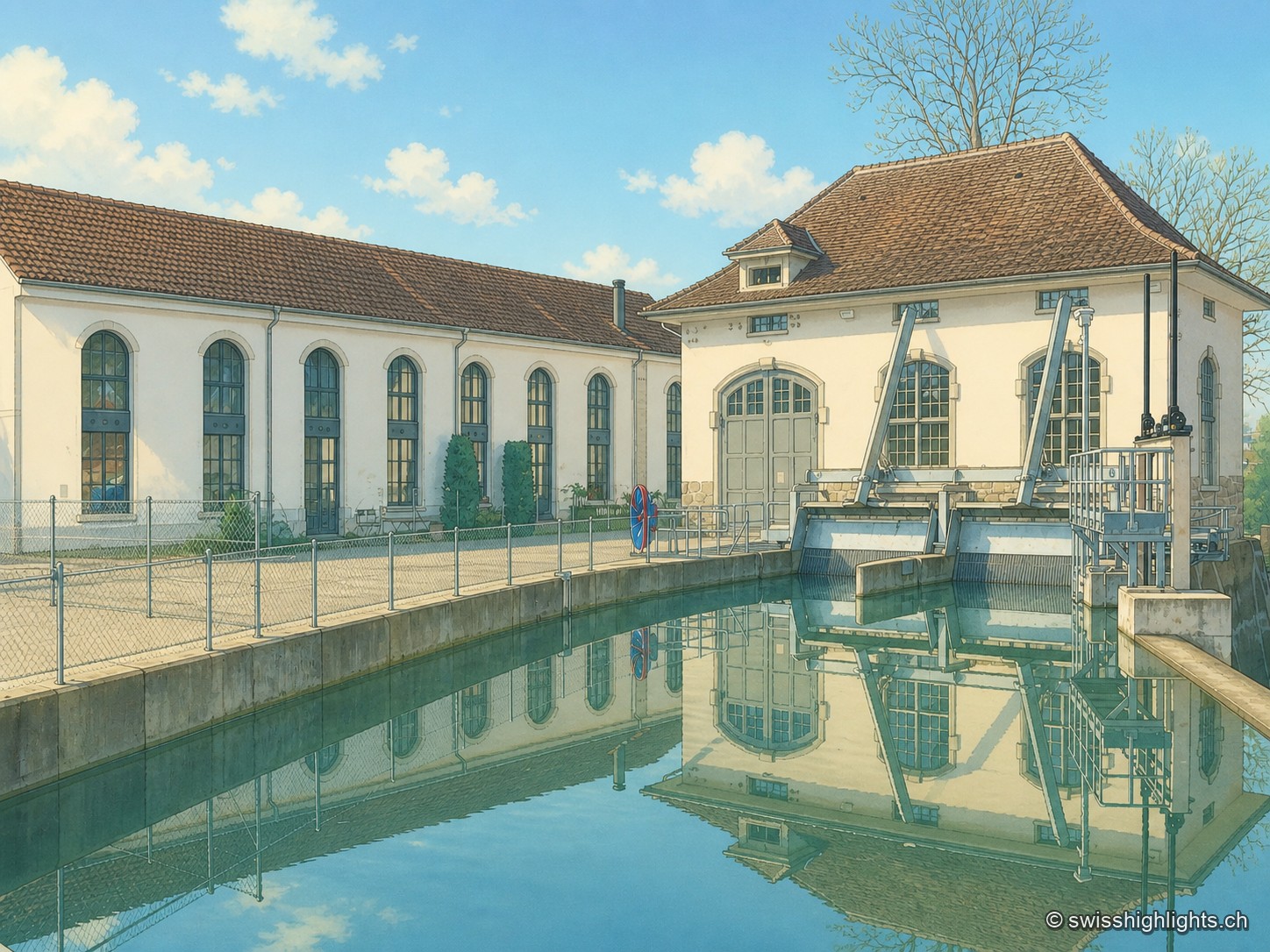
Former mill on the Lorze, ISOS site · 2 km as the crow flies
Lorzenweid industrial site
The complex sits on the Lorze, whose hydraulic power once drove the mill's turbines; the weir of the Hagendorn power station survives on the river, alongside a road bridge and a wooden bridge.
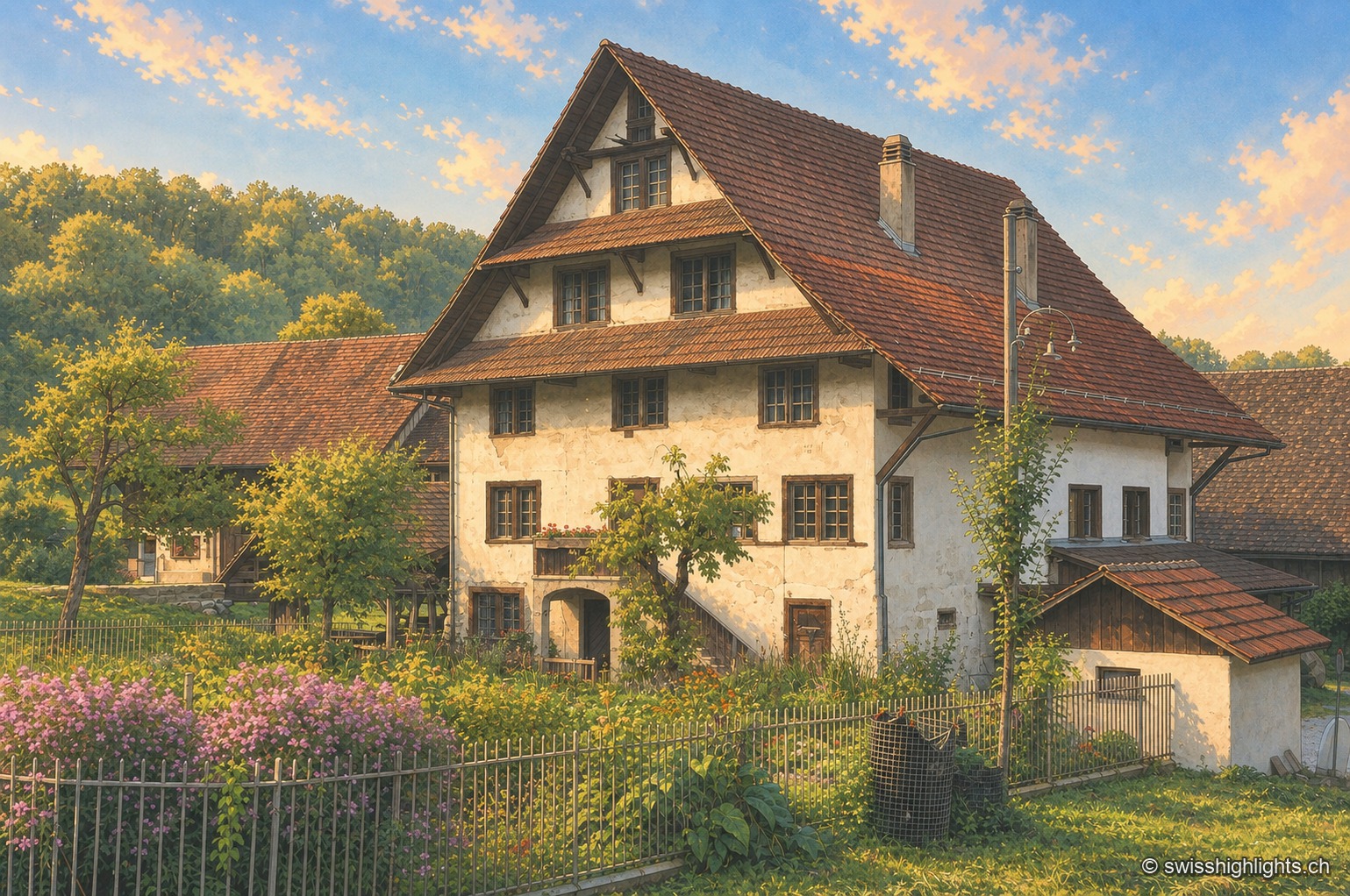
Historic mill · Stallikon, Zurich · 11 km as the crow flies
Aumüli
Probably built in the 9th century and recorded from 1328, the Aumüli keeps its water right, wheel and sawmill. Listed in 1993 and added to the ISOS register in 2012, it has milled spelt again since 2007.
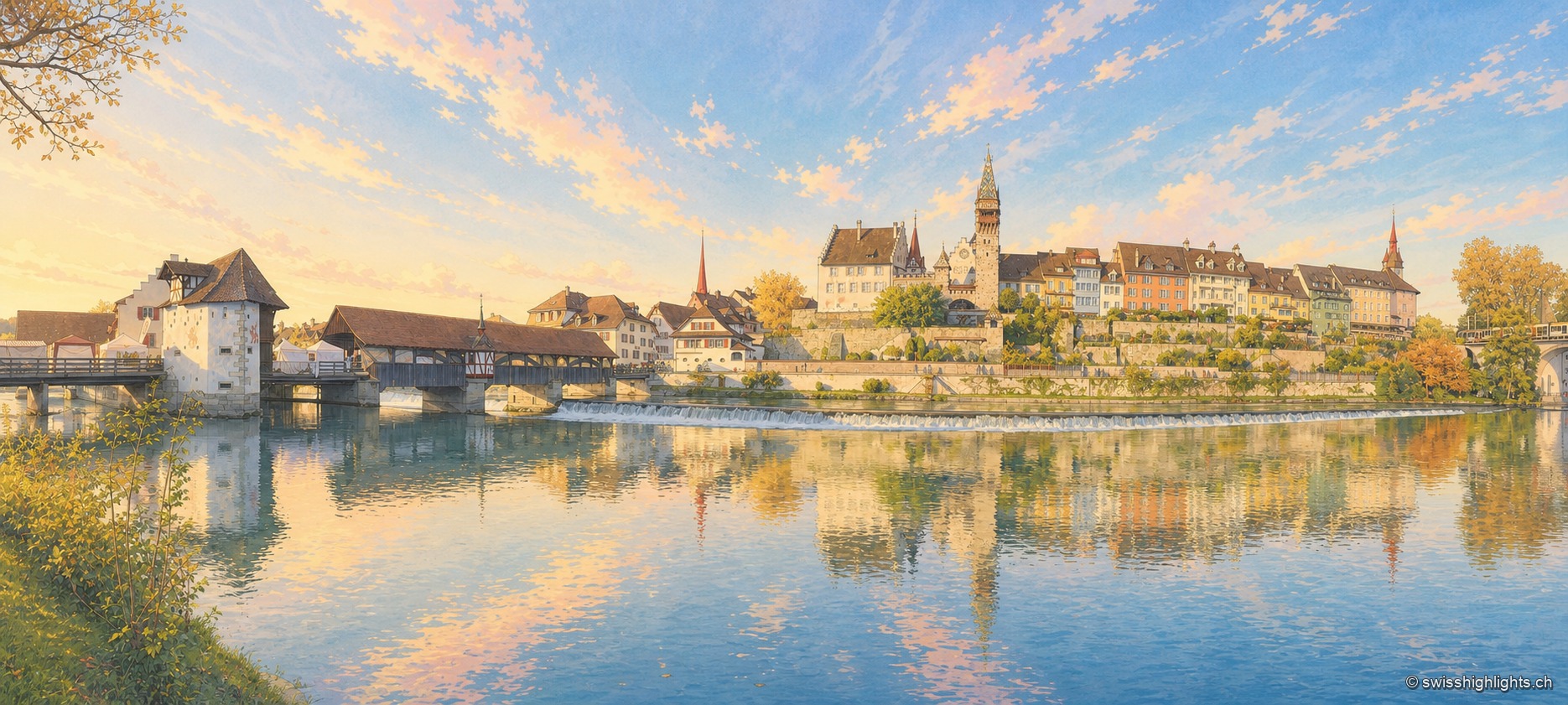
Small town · Aargau · 17 km as the crow flies
Bremgarten
The old town sits in a bend of the Reuss, still crossed by a covered wooden bridge. Four great markets set the year: those of Easter and Whitsun are over 750 years old, and the Christmas market, begun in 1995, lines up more than 300 stalls.