Wine-growing village · Geneva
Dardagny
A village in Geneva's Mandement district, built around an 18th-century château, awarded the Wakker Prize in 1978 and given over to winegrowing.
Dardagny occupies the western tip of the canton of Geneva, on the right bank of the Rhône, on the French border. The commune covers 8.6 square kilometres and counted 1,828 inhabitants on 31 December 2024, a density of 213 inhabitants per square kilometre. Between 2010 and 2023 its population grew by 25.5%, a pace above both the canton (14.6%) and Switzerland (9.4%). It includes the localities of Essertines, La Plaine, Malval, La Tuilière and Les Granges.
The château, the largest in the canton of Geneva, occupies the centre of the village. Rebuilt in 1723 by the banker Jean Vasserot, it received new façades between 1735 and 1740, a festival hall in the inner courtyard and a monumental staircase. The commune bought it in 1904; a demolition project in 1916 met strong popular opposition, and the listed building was restored between 1926 and 1932 by the architect Frédéric Metzger to become the town hall and school.
The village long lived from milling and viticulture, then from a paper mill founded in 1545 and replaced by a factory in 1850, and from clockmaking in the 17th century. Since the 1950s, viticulture has again dominated the communal economy, over 180 of the territory's 860 hectares, without employing more than a quarter of the working population.
In 1978, the Swiss Heritage Society awarded Dardagny the Wakker Prize for the conservation of the village, the château and the Geneva farmhouses. Since 2021 the commune has belonged to the Most Beautiful Villages of Switzerland association. The painter Armand Leleux settled in 1860 in the house that bears his name and received there, among others, Camille Corot, who painted at Dardagny the work known as Chemin des Pompes.
Why this place is remarkable
Dardagny takes its shape from the largest château in the canton of Geneva, rebuilt by the banker Jean Vasserot in 1723 and later turned into a town hall and school after the commune bought it in 1904. The Wakker Prize, received in 1978 for the conservation of the village, and the 2021 membership in the Most Beautiful Villages of Switzerland association mark out a fabric that has stayed coherent — one that the painter Camille Corot already sought out in the 19th century at the home of his friend Armand Leleux.
History and origin
The village's first mention, under the name Dardaniacum, dates to 1309, after a 1093 report attests the building of the church of Saint-Pierre and Amyon de Dardagny, the first known feudal lord of the place, appears in 1280. The Protestant Reformation of 1536 brought the area under the authority of the new Geneva republic. In 1721 the banker Jean Vasserot bought the estate and undertook, between 1735 and 1740, the rebuilding of the château; the commune bought the building in 1904 and restored it between 1926 and 1932.
What to do and see
- Visit the château, the largest in the canton of Geneva, rebuilt in 1723 by the banker Jean Vasserot and now home to the town hall and school.
- Stroll through the village, honoured in 1978 with the Wakker Prize for preserving its buildings, the château and Geneva's farmhouses.
- Look for the house of the painter Armand Leleux, where Camille Corot came to paint the Chemin des Pompes.
- Cross the vineyards that cover 180 of the commune's 860 hectares.
Coming with family: what to know
- The village, a member since 2021 of the Most Beautiful Villages of Switzerland, offers a stroll through a townscape that has remained coherent.
As a couple
- Wander among the localities of Essertines, La Plaine, Malval, La Tuilière and Les Granges that make up the commune.
- Observe the facades given to the château between 1735 and 1740, including the ballroom and monumental staircase.
- Walk among the vines of the Mandement, at the western tip of the canton, on the French border.
- Follow the footsteps of Camille Corot, who came to paint the village from the house of his friend Armand Leleux.
Location
Loads an interactive Google Maps view on demand, from the place's verified coordinates.
The embedded map will be enabled once an authorized Google Maps key is configured. Use the link above in the meantime.
The map could not load. Check your connection or use the link above to open the place in Google Maps.
Related places
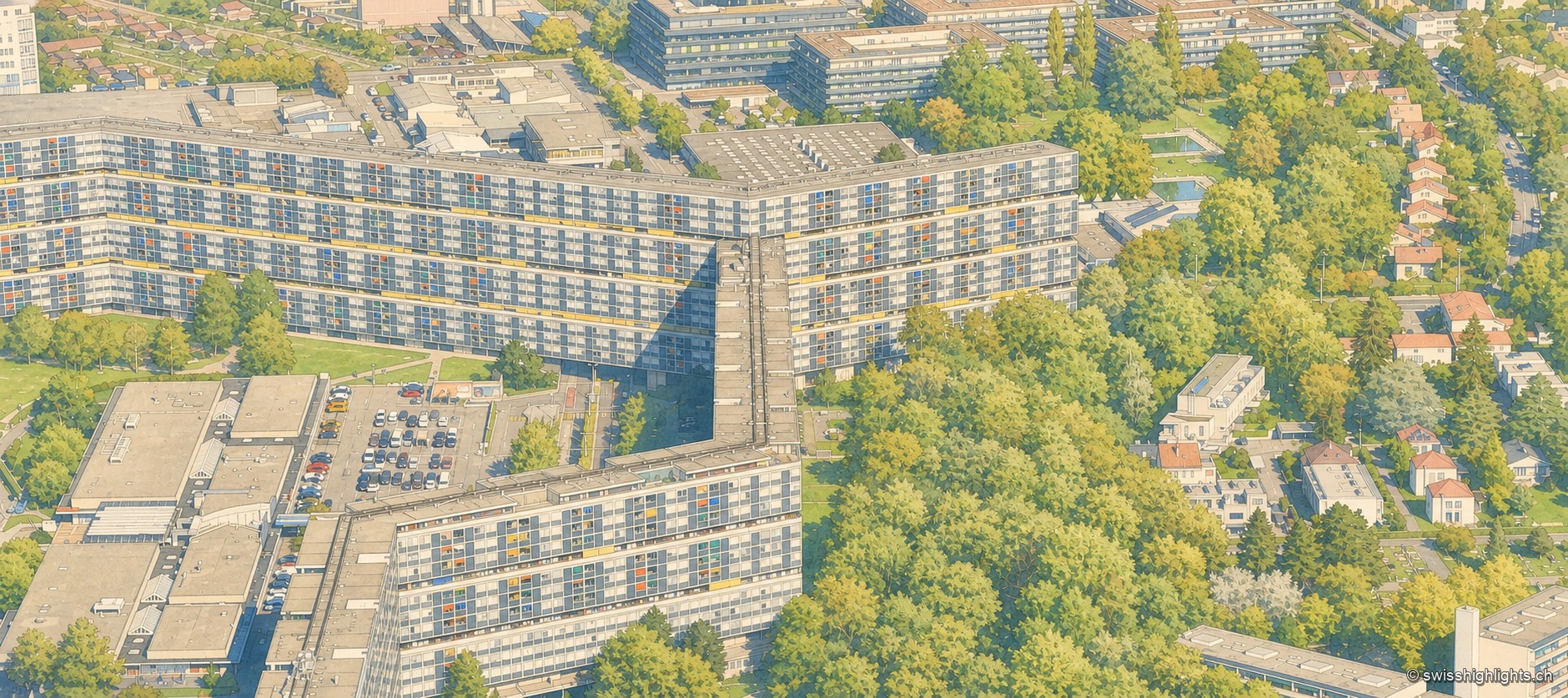
Modernist estate · Geneva · 8 km as the crow flies
Cité du Lignon
Built between 1962 and 1971 on former farmland in Vernier, the estate holds 2,780 dual-aspect flats and two towers, one of them 91 metres high, on just 8% of its ground.
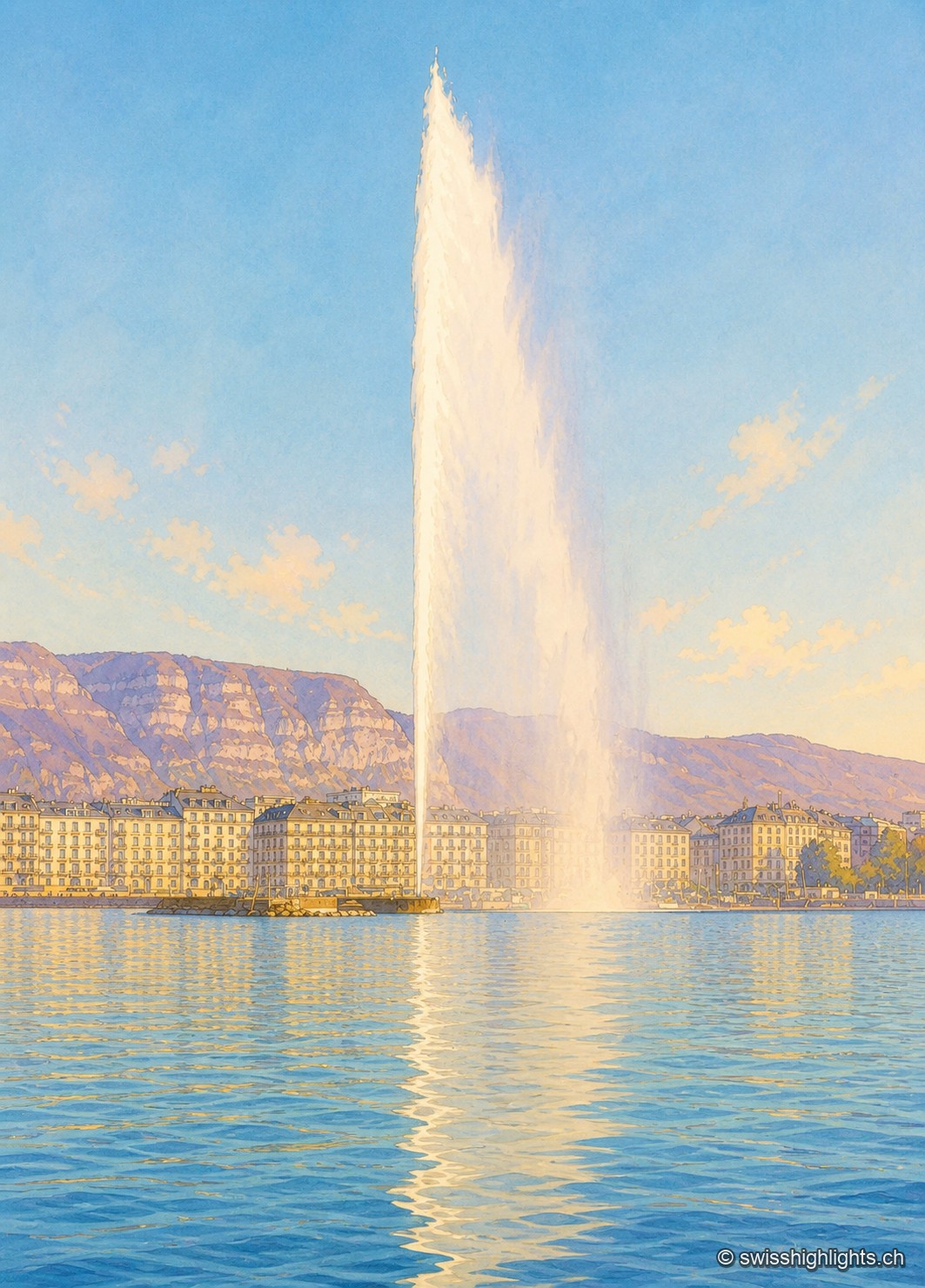
City · Canton of Geneva · 12 km as the crow flies
Geneva
The commune covers 15.93 km² and counted 203,856 inhabitants; the cross-border conurbation around it holds 1,053,436. Since 1891 the Jet d'Eau has thrown its column 140 metres above the bay.
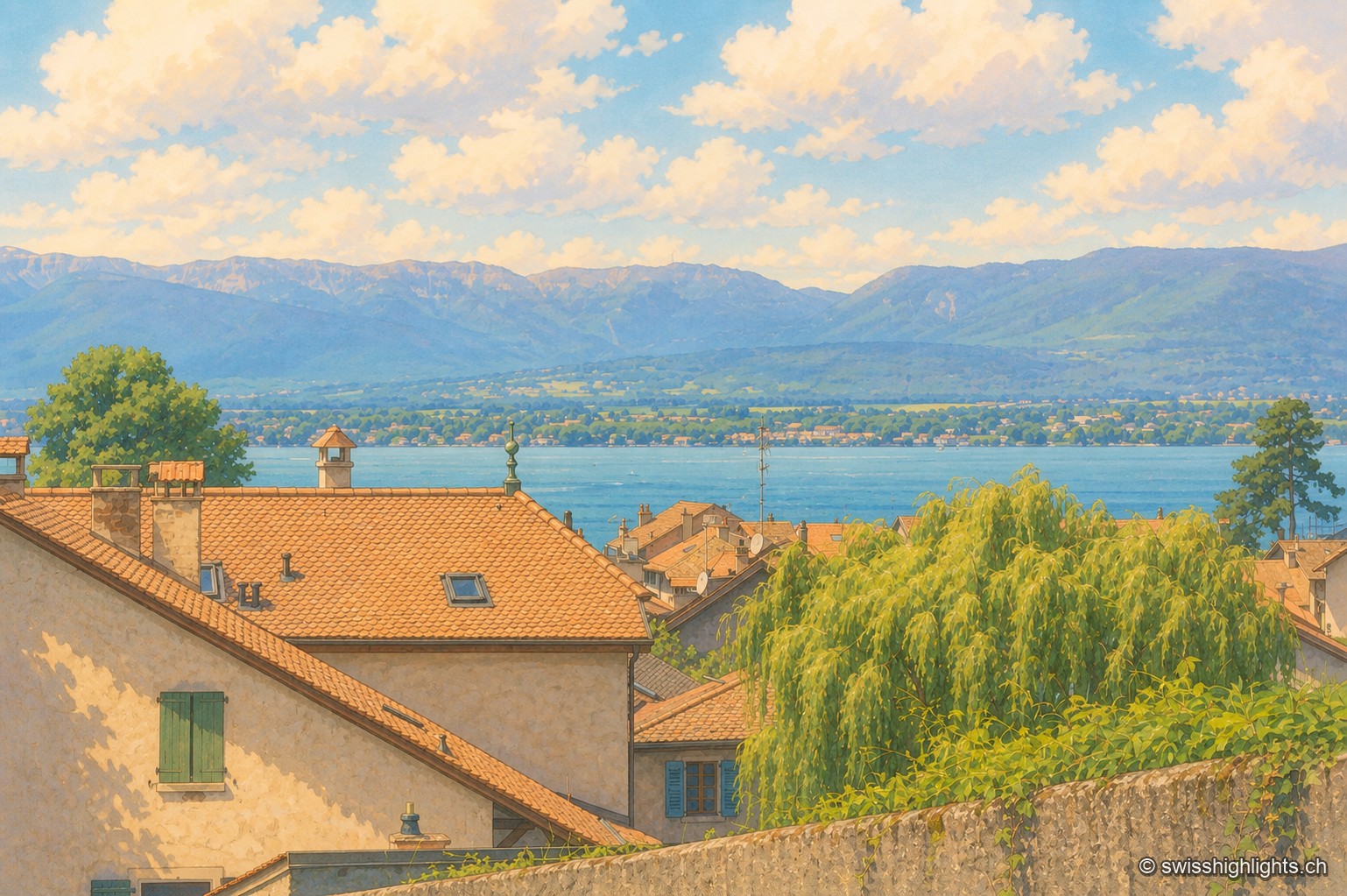
Medieval town · Geneva · 22 km as the crow flies
Hermance
A new town laid out by the lords of Faucigny, Hermance still has its ring wall, the round keep raised around 1337-1338 and a harbour of 159 berths. Savoyard until the Treaty of Turin of 1816, it covers just 1.44 km².