Historic Jewish commune · Aargau
Endingen
From 1776 until the late 19th century, Endingen and Lengnau were the only two communes in Switzerland where Jews had the right to settle.
Endingen lies in the Surb valley, in the district of Zurzach, in the canton of Aargau. The village's name — then Oberendingen — is first recorded in 798, as Entingas; Neolithic and Bronze Age finds show the region was settled long before that date. From the 13th century, the village belonged to Habsburg lands and fell under the bailiwick of Siggenthal, then, after 1415, that of Baden.
From the 17th century, the proximity of the fairs of Zurzach and Baden drew a substantial Jewish community. For historical reasons, Endingen has neither a Catholic nor a Reformed church: the synagogue, built in 1764 and rebuilt in 1852, remains the village's only religious building. In 1776, a federal law restricted Jewish settlement in Switzerland to the communes of Endingen and Lengnau alone. On 12 September 1802, the village was the scene of the Zwetschgenkrieg (Plum War), a pogrom against the Jewish population.
The recognition of freedom of settlement in 1866, and of freedom of worship in 1874, opened other communes to Swiss Jews: those of Endingen then progressively left the village, a movement that continued until 1920. What remains of that history are the synagogue and, on the border with Lengnau, a Jewish cemetery.
On 1 January 2014, Endingen absorbed its former neighbour, Unterendingen. Ruth Dreifuss, a federal councillor from 1993 to 2002 and President of the Confederation in 1999, was born in the village; novelist Charles Lewinsky, born in 1946, sets the first era of his novel Melnitz, a saga of a Swiss Jewish family between 1871 and 1937, here.
Why this place is remarkable
Between 1776 and the late 19th century, a federal law forbade Switzerland's Jews from settling anywhere but Endingen and Lengnau — the only two communes in the country where they then had the right to reside. For this reason the village has neither a Catholic nor a Reformed church — only the synagogue, built in 1764 and rebuilt in 1852, serves as a place of worship. Ruth Dreifuss, President of the Confederation in 1999, was born in Endingen.
History and origin
The name Oberendingen is first recorded in 798, as Entingas; Neolithic and Bronze Age finds show the region was inhabited long before that date. From the 13th century, the village belonged to Habsburg lands, administered by the bailiwick of Siggenthal and then, after 1415, that of Baden. The Jewish community that settled from the 17th century onward was targeted on 12 September 1802 by a pogrom, the Zwetschgenkrieg. After 1866 and 1874, the years in which freedom of settlement and then of worship were federally recognised for Jews, the community progressively left Endingen, until 1920. The neighbouring commune of Unterendingen was joined to it on 1 January 2014.
What to do and see
- Visit the synagogue, built in 1764 and rebuilt in 1852, the village's only religious building for lack of a Catholic or Reformed church.
- Go to the Jewish cemetery, on the border with Lengnau, witness to the community that lived here from 1776 to 1920.
- Recall that between 1776 and the end of the 19th century, Endingen and Lengnau were the only two communes in Switzerland where Jews were allowed to settle.
Coming with family: what to know
- The village can be walked between the synagogue and the Jewish cemetery, a place of memory to approach with the reserve its history suggests.
As a couple
- Walk between the synagogue and the Jewish cemetery on the border with Lengnau, following the traces of three centuries of history.
- Recall that Ruth Dreifuss, President of the Confederation in 1999, was born in the village.
- Follow, in the novel Melnitz by Charles Lewinsky, the fictional trace of this history, whose author sets the first era in Endingen.
Location
Loads an interactive Google Maps view on demand, from the place's verified coordinates.
The embedded map will be enabled once an authorized Google Maps key is configured. Use the link above in the meantime.
The map could not load. Check your connection or use the link above to open the place in Google Maps.
Related places
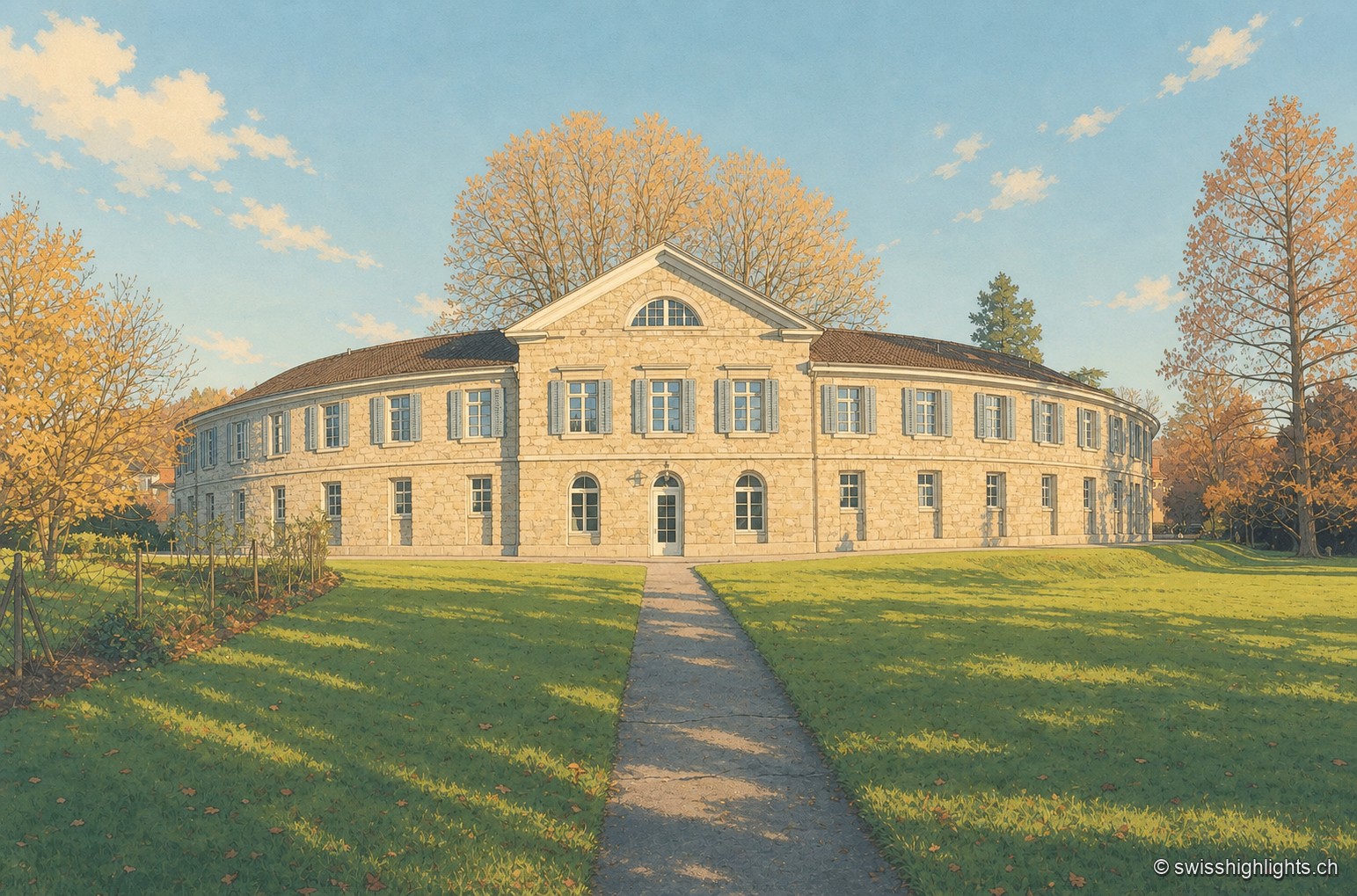
Thermal baths · Aargau · 13 km as the crow flies
Schinznach Baths
A sulphur spring buried by a flood in 1670 and found again in 1691 on the other bank: from it came a cure establishment, a park and a chapel — and, in 1761, the first meetings of the Helvetic Society.
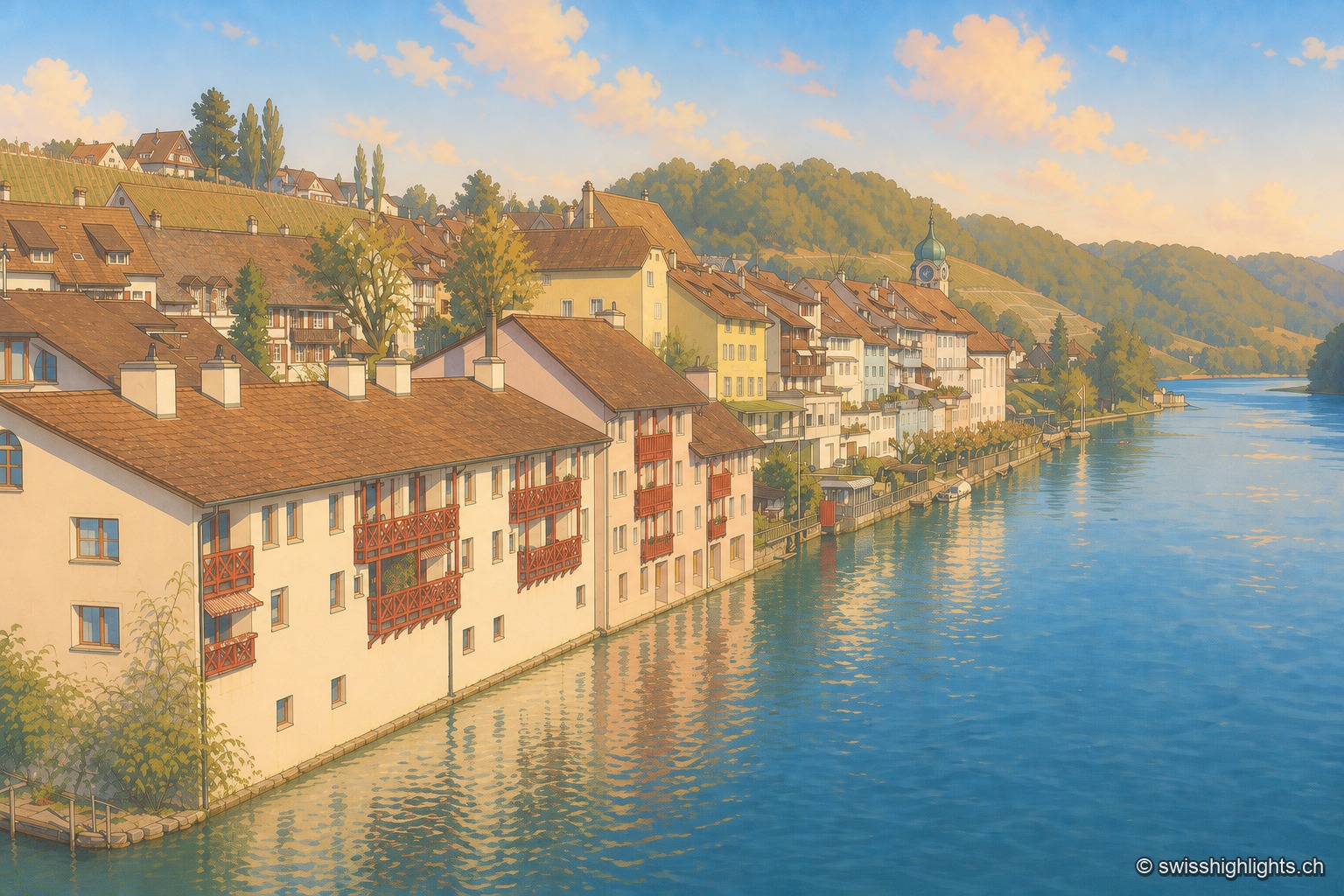
Rhine wine town · Zurich · 18 km as the crow flies
Eglisau
On the north bank of the Rhine, Eglisau lines its houses at the water's edge below vineyard slopes. The dam built between 1916 and 1920 raised the river by 8.5 metres, taking with it the old bridge and the houses along the bank.
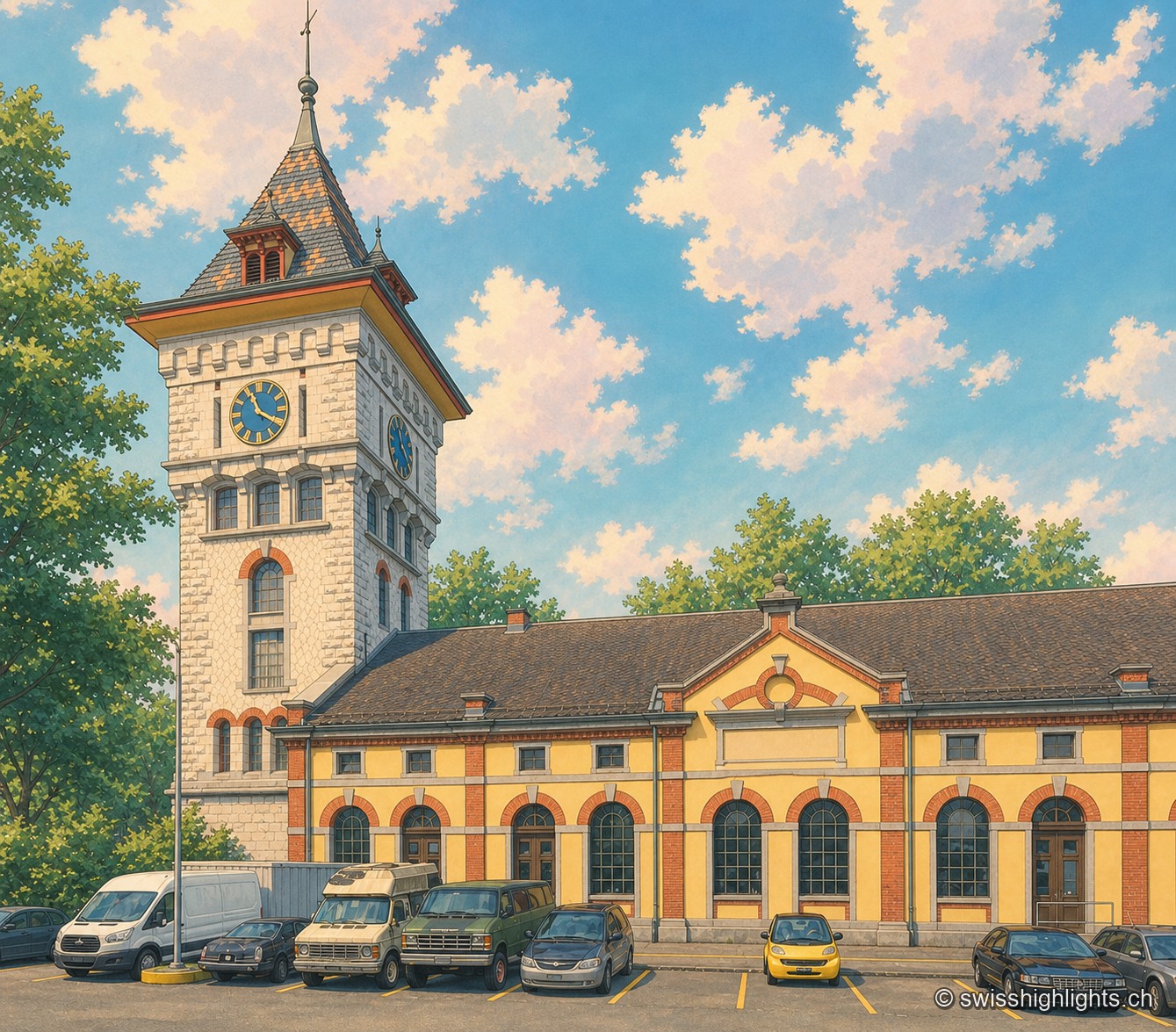
Former gasworks · Zurich · 20 km as the crow flies
Schlieren Gasworks
Opened in 1898 and expanded through 1909, the Schlieren gasworks produced up to 250,000 m³ of gas a day before closing in 1974. Its gasometer now houses a museum and a working steam engine.