Wine village · Grisons
Malans
A winegrowers' village of 17th-century burgher houses, Malans keeps Bothmar Castle and its baroque garden, held to be the best preserved in Switzerland.
Malans is a commune of the canton of Grisons, in the Landquart region. The village centre, together with Bothmar Castle and its outbuildings and park, are recognised as Swiss cultural properties of national significance. This well-preserved winegrowers' village owes its character to its 17th-century burgher houses.
Above the village, Bothmar Castle follows a right-angled plan: its central wing dates from the 16th century, its wings and tower from the 18th century, and its interior is late baroque. To the west, against the building, extends a French-style baroque garden considered the best preserved in Switzerland. North of the village stands the ruin of Wynegg.
The Reformed church, built in the Gothic period in 1469, received in 1773, when its porch and galleries were added, vaults covered in rococo stuccowork. The town hall keeps a panelled council room of 1685 and a tiled corner stove made by David Pfau in 1690. Built around a courtyard during the 17th century, the Planta house brings together a dwelling and farm and outbuildings whose interior fittings — stoves, panelling, stuccowork — have remained rich.
Why this place is remarkable
What sets Malans apart is the density of its 17th- and 18th-century heritage packed into so small an area: the town hall keeps its panelled council room of 1685 and its 1690 stove, the church its 1773 rococo stuccowork, and Bothmar Castle a French-style baroque garden held to be the best preserved in Switzerland.
History and origin
The Reformed church dates from the Gothic period, with a construction dated 1469; its porch and galleries, added in 1773, gave its vaults a covering of rococo stuccowork. Bothmar Castle has a central wing from the 16th century, completed by wings and a tower in the 18th century. The Planta house, with its farm and outbuildings around a courtyard, also dates from the 17th century.
What to do and see
- See the French-style baroque garden of Bothmar Castle, held to be the best preserved in Switzerland.
- Spot the 17th-century burgher houses in the village that give the town its character as a winegrowers' village.
- Enter the 1469 Gothic reformed church for its vaults covered with rococo stuccowork added in 1773.
- See at the town hall the 1685 panelled council chamber and David Pfau's tiled stove, 1690.
Coming with family: what to know
- The route stays short, between the village centre, Bothmar Castle and its park, with no particular constraint noted in the sources.
As a couple
- Stroll in the French-style baroque garden of Bothmar Castle.
- Compare the castle's 16th-century central wing with its 18th-century wings and tower.
- Stop at the Planta House, built around a courtyard in the 17th century, for its tiled stoves and stuccowork.
- Go up to see the ruin of Wynegg north of the village.
Location
Loads an interactive Google Maps view on demand, from the place's verified coordinates.
The embedded map will be enabled once an authorized Google Maps key is configured. Use the link above in the meantime.
The map could not load. Check your connection or use the link above to open the place in Google Maps.
Related places
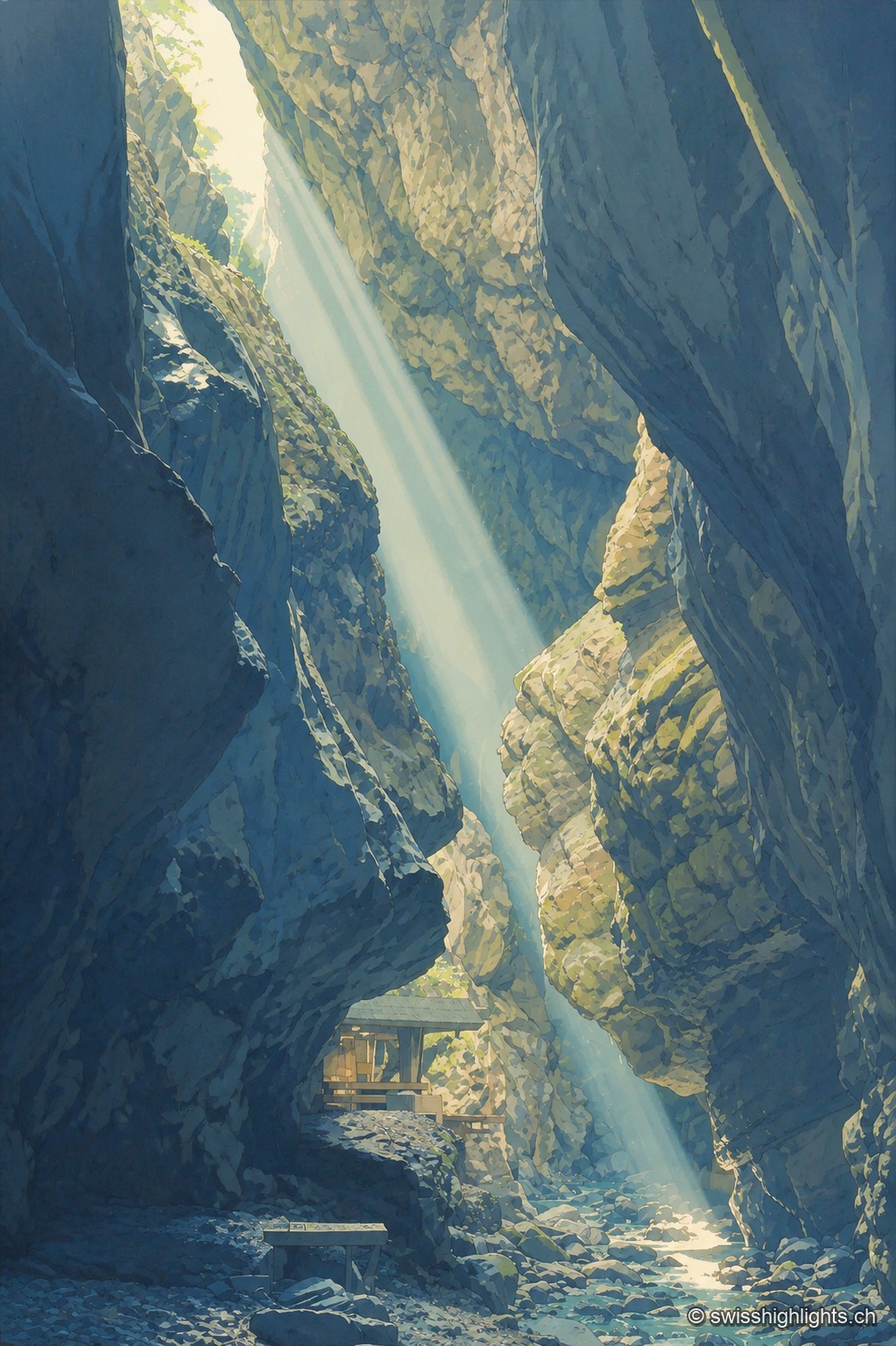
Limestone gorge · St. Gallen · 7 km as the crow flies
Gorges de la Tamina
Between Pfäfers and Bad Ragaz, the Tamina carved an 8.4 km gorge over 15,000 years, spanned by natural rock bridges; at its head, a 36.6°C spring, tapped since 1350, now feeds the baths of Bad Ragaz.
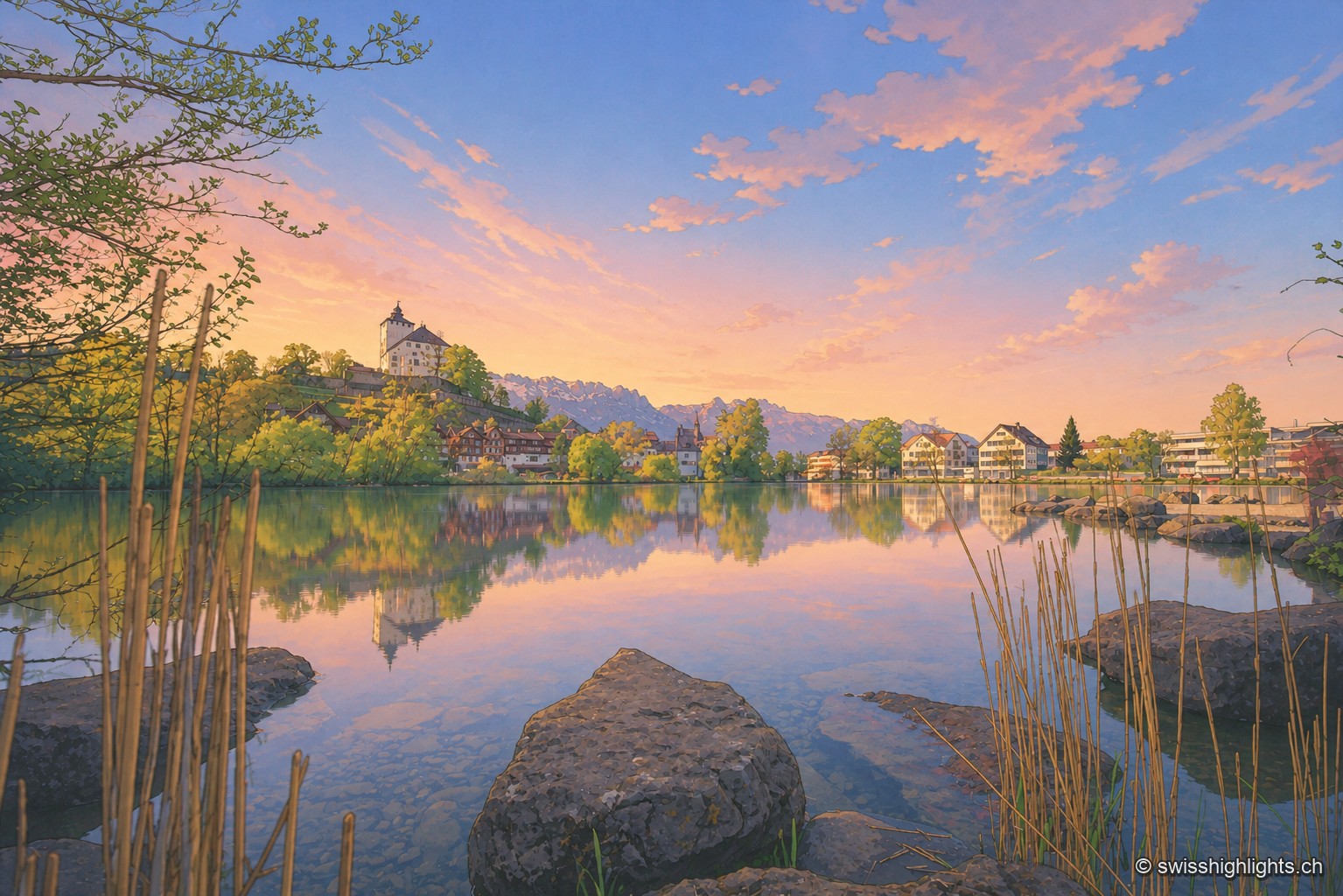
Fortified town · St. Gallen · 22 km as the crow flies
Werdenberg
Market rights here are attested since 1289. The county of Werdenberg changed hands several times before being sold to Glarus in 1517; it joined St. Gallen in 1803. The castle has hosted a festival since 1985.
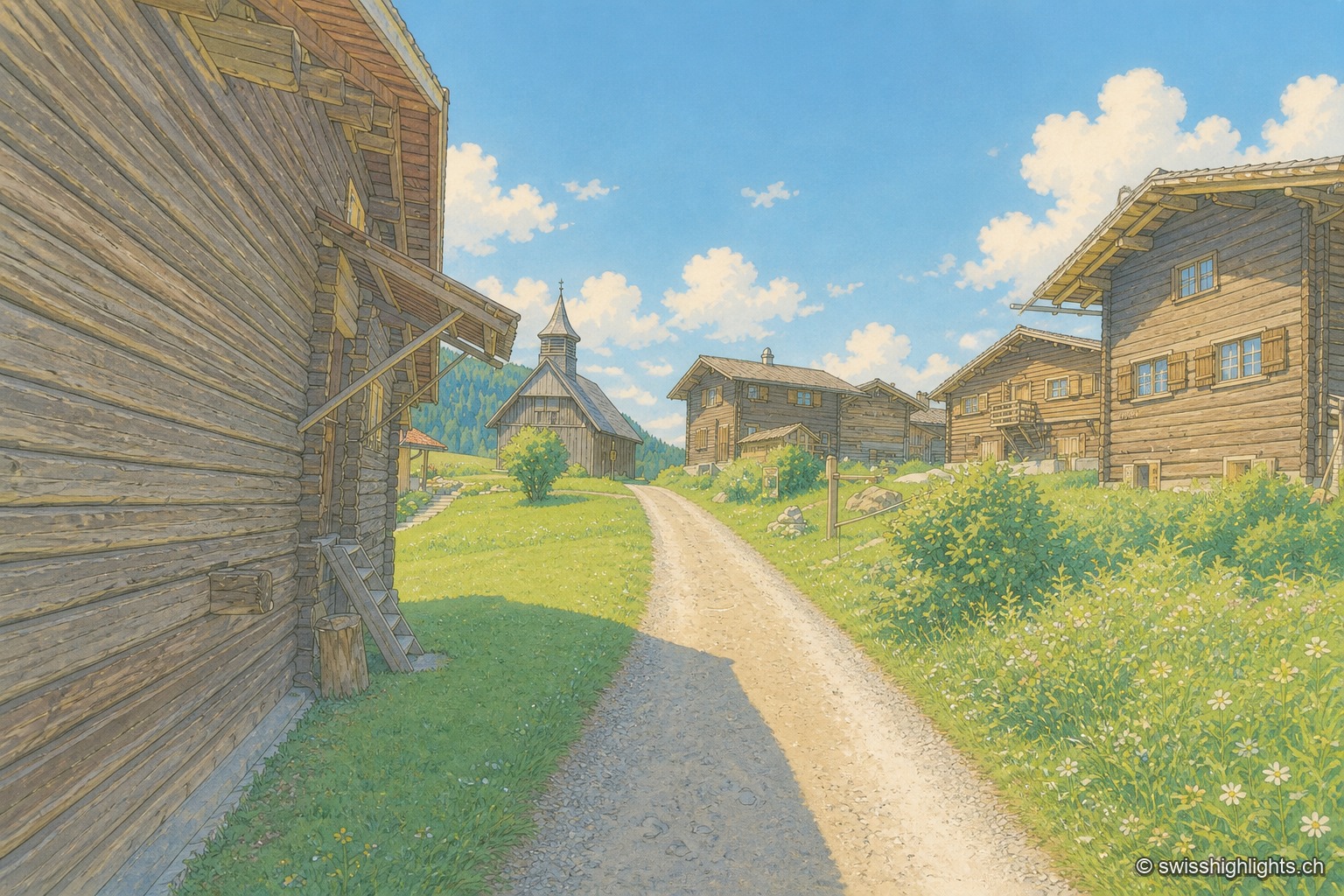
Walser hamlet · Grisons · 35 km as the crow flies
Obermutten
Part of Thusis since 2017, Obermutten sits at 1,864 metres on the slope of the Muttnerhorn. A fire destroyed seventeen houses there in 1946; the hamlet later gained unexpected social-media fame in 2011.