Village and Cluniac priory · Bern
Rüeggisberg
A Bernese village in the Seftigen district, known for the Cluniac priory founded on its land around the mid-11th century.
Rüeggisberg lies in the Bern-Mittelland administrative district, in the Seftigen district, on a territory of 35.76 square kilometres, of which 63.4% is farmland, 30.1% forest and only 4.6% buildings and infrastructure. The commune numbered 1,745 inhabitants on 31 December 2024, a density of 49 per square kilometre; over 2010-2019 its population fell by 5.4%, while the canton of Bern grew by 6.1% and Switzerland by 9.4%.
Around the mid-11th century, Lütold de Rümligen bequeathed his goods to the Abbey of Cluny; Abbot Hugues de Cluny, who led the abbey from 1049 to 1109, sent two monks to found a priory at Rüeggisberg, an establishment attested in 1075 by a privilege from Pope Gregory VII. In the 13th century the priory fell within Bern's sphere of influence; in 1484 it was suppressed together with that of Villars-les-Moines and absorbed into the property of the newly founded collegiate church of Saint-Vincent in Bern. In 1534 a grain granary was set up in the deconsecrated priory church, and the other buildings were demolished.
Interest in Rüeggisberg was revived by the work of the art historian Hans R. Hahnloser between 1938 and 1947. The Cluniac-type church plan, with five apses counting those of the transept, was to have a central nave and two side aisles; this nave, traced at foundation level, was however never raised, the priory having always remained extremely modest, its numbers never exceeding four monks — often fewer — while the village had its own parish church besides.
Why this place is remarkable
Rüeggisberg owes its renown to a Cluniac priory founded around the mid-11th century by two monks sent by Abbot Hugues de Cluny, at the request of Lütold de Rümligen, and attested as early as 1075 by a privilege from Pope Gregory VII. Suppressed in 1484 and largely demolished in 1534, the site never raised the five-apse church planned in its Cluniac layout — the nave, traced at foundation level, was never built — before the work of the historian Hans R. Hahnloser, between 1938 and 1947, brought back to light this priory that had always stayed modest, with never more than four monks.
History and origin
Around the mid-11th century, Lütold de Rümligen bequeathed his goods to the Abbey of Cluny; Abbot Hugues de Cluny, in office from 1049 to 1109, sent two monks to found a priory at Rüeggisberg, an establishment attested in 1075 by a privilege from Pope Gregory VII. The priory fell in the 13th century within Bern's sphere of influence, before being suppressed in 1484 and absorbed into the property of Bern's collegiate church of Saint-Vincent; a grain granary occupied the deconsecrated church from 1534, and the other buildings were demolished. The work of the art historian Hans R. Hahnloser, between 1938 and 1947, brought to light the Cluniac plan of the church, with five apses, whose central nave and side aisles, traced at foundation level, were never raised.
What to do and see
- See the remains of the Cluniac priory founded around the mid-11th century and attested from 1075 by a privilege from Pope Gregory VII.
- Trace, in the outlined foundations, the plan of the five-apse church whose nave was never built.
- Picture the grain granary installed in 1534 in the priory's disused church, whose other buildings were demolished.
Coming with family: what to know
- The site is mainly about reading remains and outlined foundations on the ground, not a standing monument.
As a couple
- Imagine, on the outlined foundations, the nave with central vessel and side aisles that was never built.
- Reflect on the journey made by the two monks sent from Cluny by Abbot Hugh in the mid-11th century.
- Connect the visit to the rediscovery work of historian Hans R. Hahnloser between 1938 and 1947.
Location
Loads an interactive Google Maps view on demand, from the place's verified coordinates.
The embedded map will be enabled once an authorized Google Maps key is configured. Use the link above in the meantime.
The map could not load. Check your connection or use the link above to open the place in Google Maps.
Related places
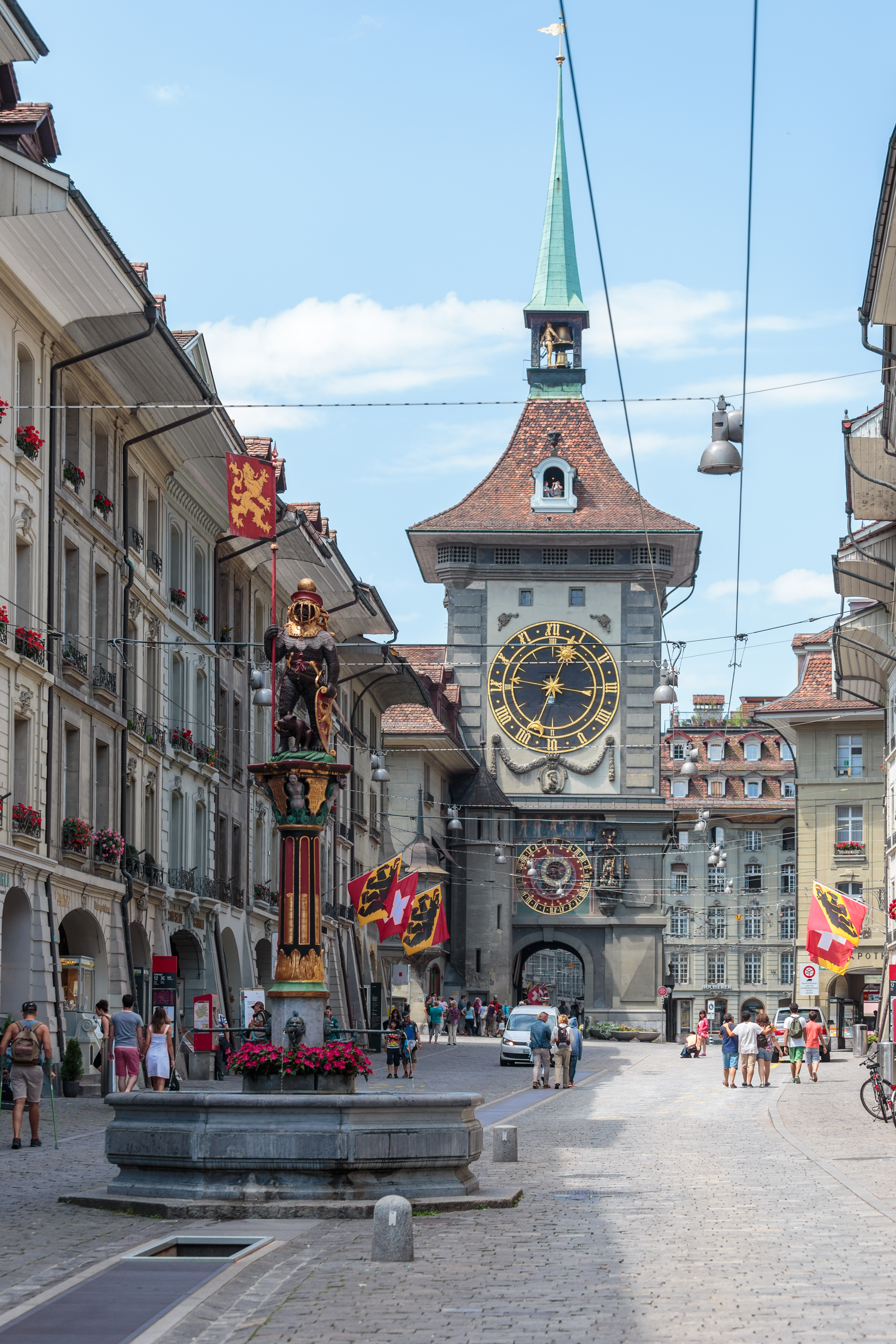
Old town · Bern · 14 km as the crow flies
Bern, Old Town
More than six kilometres of arcades, 16th-century fountains and the Zytglogge tower set the rhythm of a centre rebuilt in sandstone after the fire of 1405.
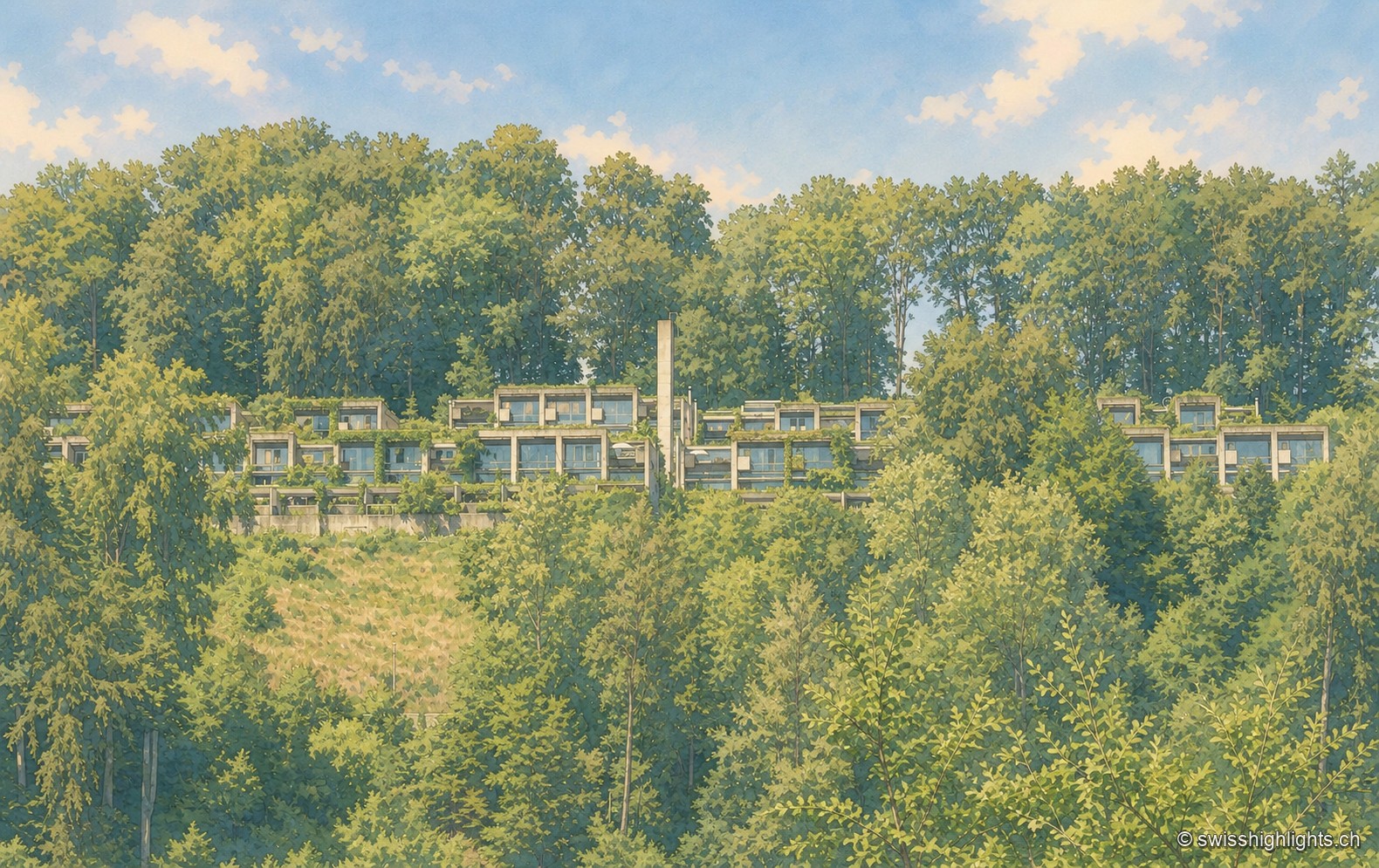
Row-house estate · Bern · 17 km as the crow flies
Halen
78 dwellings and 5 studios in three terraced rows, exposed concrete, gardens closed off by walls: Atelier 5's Siedlung Halen is listed as a cultural property of national significance.
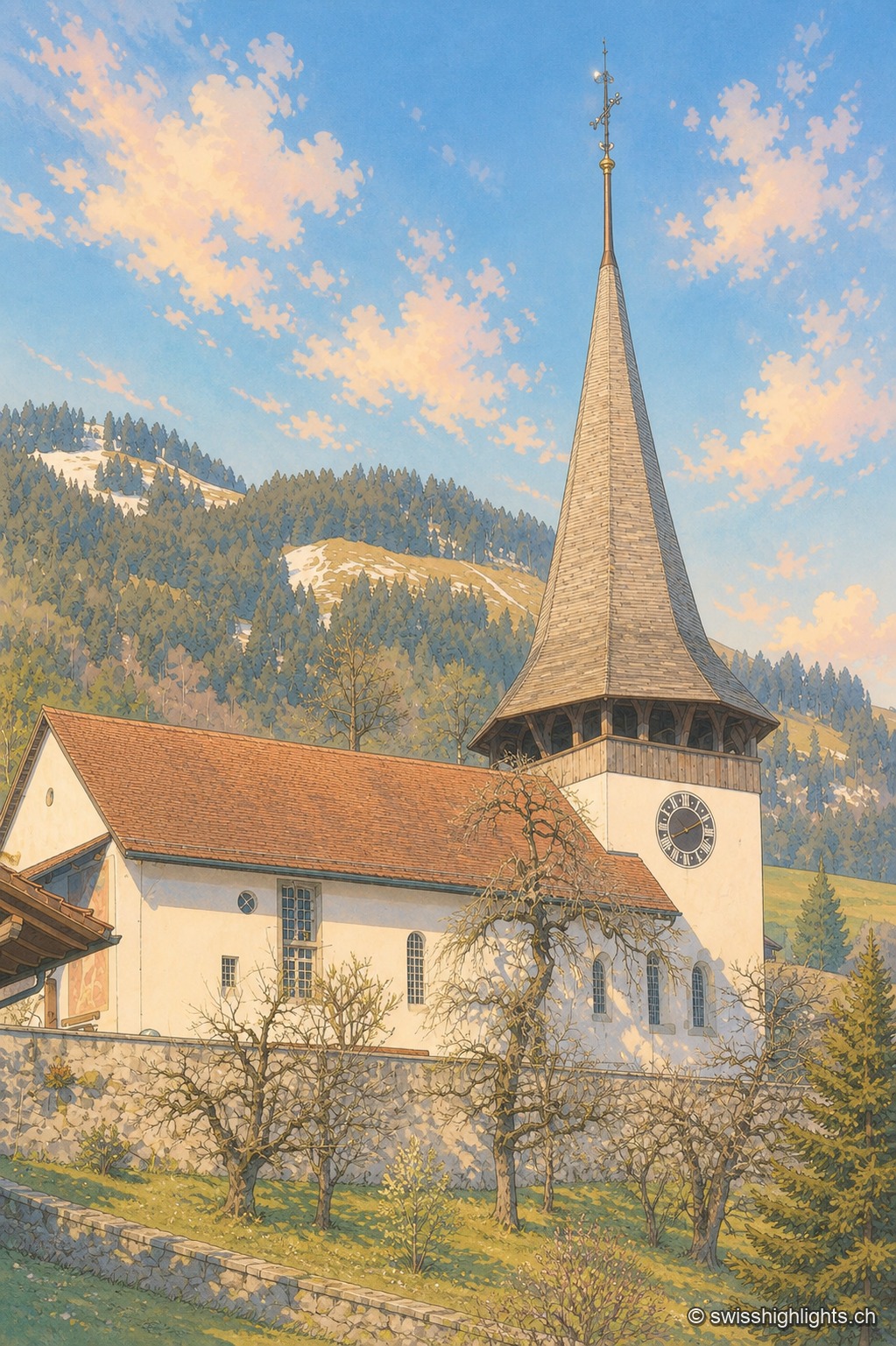
Gothic frescoes, birthplace of the Amish · 20 km as the crow flies
Erlenbach im Simmental
Whitewashed over during the Reformation (1527/28), the church's Gothic frescoes were thereby preserved until their restoration in 1931-32. An organ built in 1812 by Johannes Stölli completes this Bernese heritage.