Wine village · Vaud
Saint-Saphorin
A Lavaux village pressed between Lake Geneva and the vine terraces, its church built on the walls of a Gallo-Roman villa.
Saint-Saphorin occupies a narrow band between Lake Geneva and the vine terraces of Lavaux, at 384 metres. The commune is more than the village: it also takes in the hamlets of Glérolles, Les Faverges, Ogoz and Lignières, and belongs to the district of Lavaux-Oron.
The place has been inhabited since Roman times at least. A milestone here has been dated to the year 47 of our era, and the ruins of a Gallo-Roman villa lie beneath the present church. The name then was Glerula, from the Latin glarea, gravel — which became Glérolles in the Middle Ages. In 563 the Tauredunum landslide destroyed the village by the water.
A new church was built higher up, dedicated to Saint Symphorian; it would later give the village its name. The building seen today was raised between 1517 and 1521 at the instance of Bishop Sébastien de Montfalcon, and its great stained-glass window carries the date 1530. Below, on the site of ancient Glerula, a keep was built in 1150 by the Bishop of Lausanne, turned into a castle from 1300 and rebuilt around 1526: this is the château de Glérolles.
In the Middle Ages the village belonged to the bishop's lands. In the 19th century the commune split and produced four communes — Chexbres, Puidoux, Rivaz and Saint-Saphorin. The reformed church of Saint-Symphorien, its parsonage and the villa ruins it covers are listed as Swiss cultural property of national significance, and since 2017 the village has belonged to the association Les plus beaux villages de Suisse. Its inhabitants, the Saint-Saphoriens, carry two old nicknames: the Goths and the Assassins.
Why this place is remarkable
Few villages stack their ages so plainly: the walls of a Gallo-Roman villa lie under the floor of the reformed church, and the place stands where it does only because the Tauredunum landslide wiped out, in 563, the village by the water. The name followed the move — Glerula, gravel, down below; the saint of the church, up above.
History and origin
The first settlement, Glerula, held the lake shore: a milestone of the year 47 and the foundations of a Gallo-Roman villa attest to it. The Tauredunum landslide, in 563, destroyed it. The village moved up around a church dedicated to Saint Symphorian; the present building dates from 1517-1521, its great window from 1530. Below, the Glerula site received a keep in 1150, became a castle from 1300 and was rebuilt around 1526 under the name Glérolles. The communal division of the 19th century completed the present map: Chexbres, Puidoux, Rivaz and Saint-Saphorin.
What to do and see
- Look, beneath the reformed church of Saint-Symphorien, for the ruins of a Gallo-Roman villa predating the landslide of 563.
- Observe the church's large stained-glass window dated 1530, built between 1517 and 1521.
- Go down to the Château de Glérolles, a keep from 1150 that became a castle from 1300 and was rebuilt around 1526.
- Stroll through the Lavaux vine terraces that enclose the village between Lake Geneva and the hillside.
Coming with family: what to know
- The village is walked between the upper church and the Château de Glérolles below, amid the vine terraces.
As a couple
- Walk between the upper church, with its 1530 stained-glass window, and the Château de Glérolles below, on the site of the ancient Glerula.
- Dwell on the village's relocation after the Tauredunum landslide in 563, still legible in the two names, Glerula and Saint-Saphorin.
- Walk among the Lavaux vineyards with Lake Geneva below.
Location
Loads an interactive Google Maps view on demand, from the place's verified coordinates.
The embedded map will be enabled once an authorized Google Maps key is configured. Use the link above in the meantime.
The map could not load. Check your connection or use the link above to open the place in Google Maps.
Related places
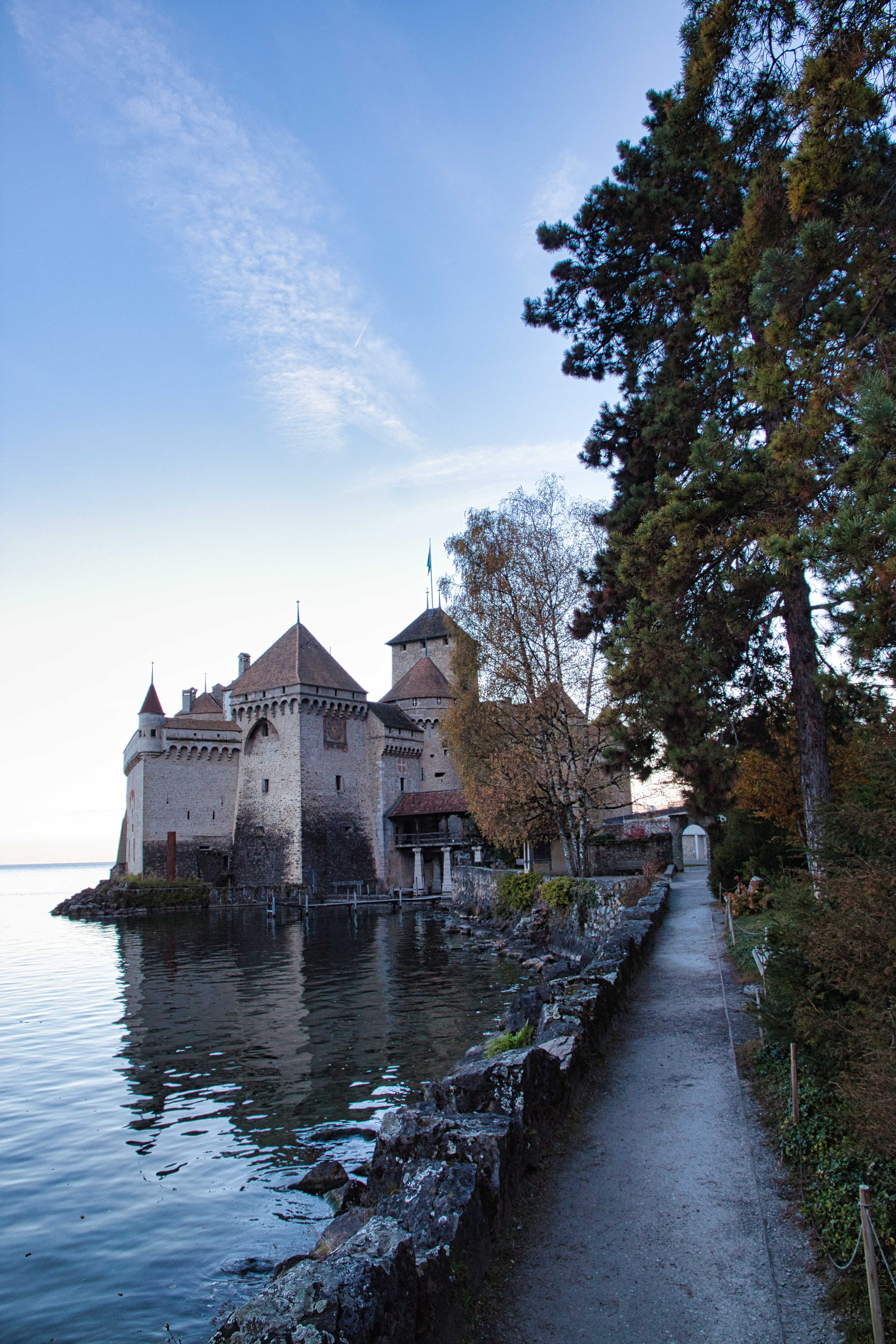
Medieval castle · Vaud · 11 km as the crow flies
Chillon Castle
On a limestone rock at the edge of Lake Geneva, Chillon layers eight centuries of occupation: seat of the counts of Savoy, Bernese bailiwick for some two hundred and sixty years, cantonal monument since 1798.
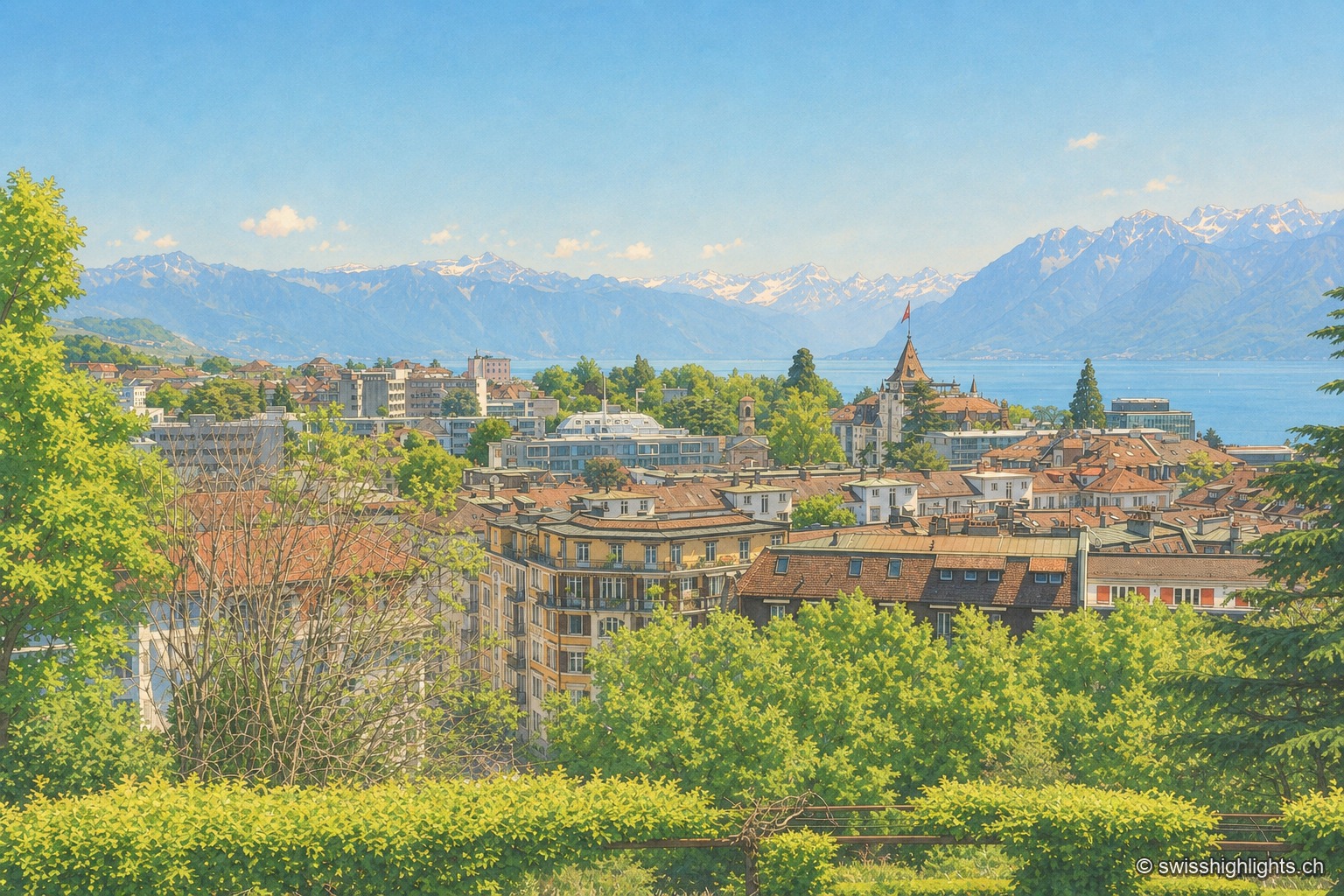
City on a slope · Lake Geneva · 15 km as the crow flies
Lausanne
Built on three hills above Lake Geneva, Lausanne climbs without pause. Its cathedral, raised between 1170 and 1230, is the most important Gothic one in Switzerland, and the International Olympic Committee has sat here since 1915.
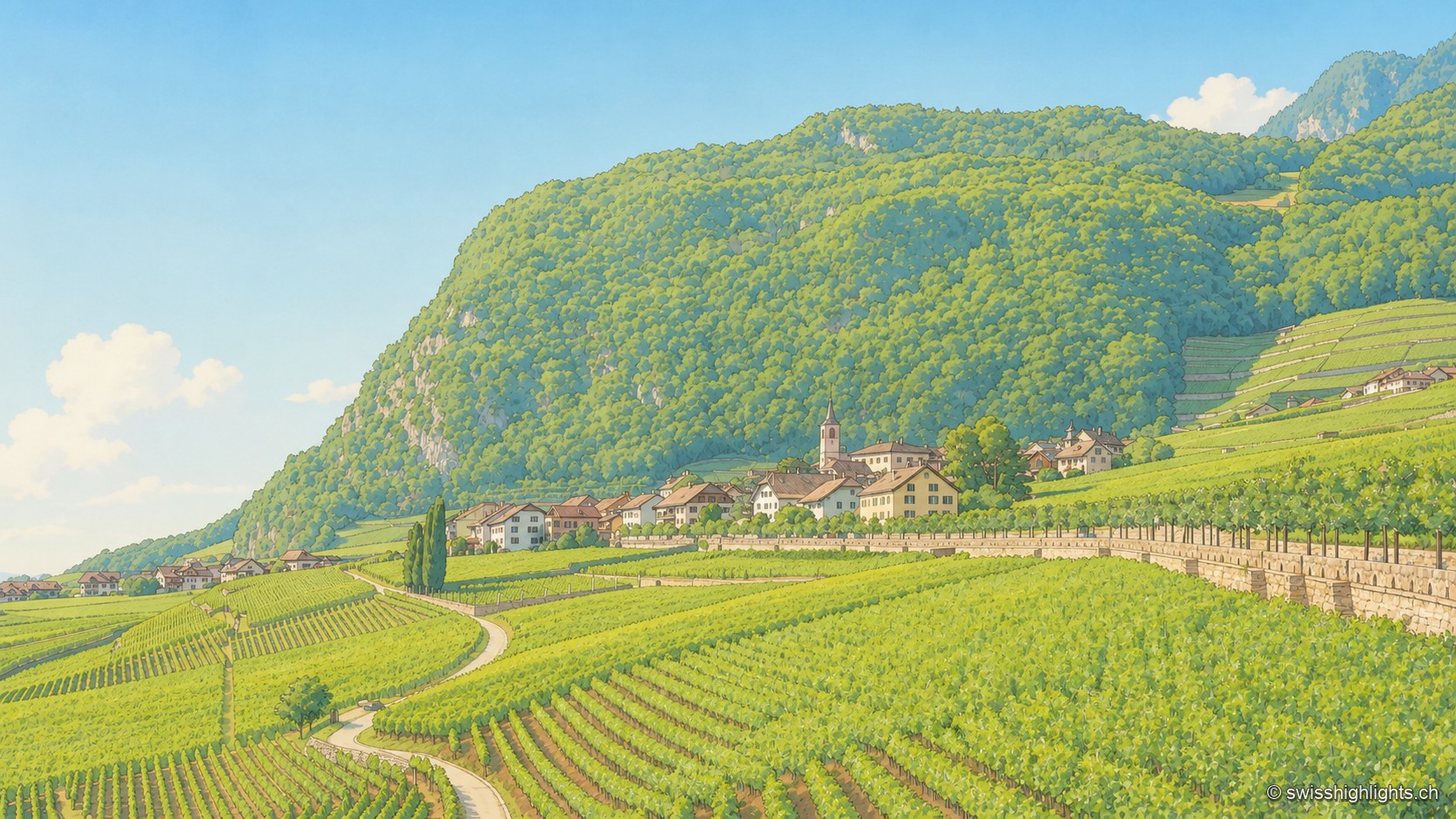
Wine village · Vaud · 19 km as the crow flies
Yvorne
A rockslide destroyed the village in 1584; rebuilt further east from 1607, it planted its vines on the rubble. The Truchefardel quarry, active from the 17th century to 1921, supplied the marble for Lausanne's town hall in 1674.