Village · Appenzell Ausserrhoden
Trogen
A market town of merchant palaces and cantonal courts, former capital of Appenzell Ausserrhoden around a Landsgemeinde square.
Trogen lies in the middle of Appenzell, on 10.02 km² crossed by the Goldach, which rises within the municipality. Bordering Gais, Bühler, Speicher, Rehetobel and Wald in Ausserrhoden, Altstätten in St. Gallen and Oberegg in Innerrhoden, it had 1,877 residents on 31 December 2024, a density of 187 per km². It remains the seat of the cantonal judiciary — the higher court, cantonal court, administrative court and juvenile court — even though government and administration moved to Herisau.
The place, recorded from 1168 as Trugin, joined the league of subjects of the Abbey of St. Gallen (Bund der Gotteshausleute) in 1401 and shared in their 1403 victory at Vögelinsegg over the troops of the prince-abbot and the Habsburgs. The 1429 peace that ended the Appenzell Wars gave rise to the Rhode of Trogen; the Reformation was introduced there in 1525. When the land of Appenzell split in 1597, Trogen became the capital of the new canton of Appenzell Ausserrhoden and remained so until the biennial Landsgemeinde was abolished in 1997.
From the 16th century to industrialisation, several families grew rich in Trogen through the linen and embroidery trade; the Zellweger family, which made its fortune in linen, raw cotton and printed cotton from 1667, left the deepest mark before its last trading house went bankrupt in 1817. Around the Landsgemeinde square stand the Zellweger 'palaces', built between 1747 and 1809 and now listed as cultural property of national significance. The second stone palace, built in 1760, is the work of Hans Ulrich Grubenmann (1709-1783), who is also credited with the town hall and the Sonnenhof; the reformed church he built in 1779-1782 was his last work. The square itself was renovated between 2019 and its inauguration in June 2021.
Trogen is also the birthplace, in 1889, of painter, sculptor and dancer Sophie Taeuber-Arp, who died in 1943. The town, home to the Pestalozzi children's village named after educator Johann Heinrich Pestalozzi, belongs to the Les Plus Beaux Villages de Suisse association and forms the terminus of the Appenzell railway line linking Appenzell, St. Gallen and Trogen, which has served the village since 1903.
Why this place is remarkable
Few Appenzell towns hold together so many marks of a former capital: the merchant palaces the Zellwegers built between 1747 and 1809 around the Landsgemeinde square, where the Rhode of Trogen assembled every other year until 1997, and the reformed church of 1779-1782, the last work of architect Hans Ulrich Grubenmann. Capital of Appenzell Ausserrhoden since the 1597 split, Trogen still houses the cantonal courts today.
History and origin
Recorded from 1168 as Trugin, Trogen joined the league of subjects of the Abbey of St. Gallen in 1401 and shared in their 1403 victory at Vögelinsegg. The 1429 peace gave rise to the Rhode of Trogen; the Reformation was introduced there in 1525. When the land of Appenzell split in 1597, Trogen became the capital of Ausserrhoden and the site of the biennial Landsgemeinde, held until its abolition in 1997. Between 1747 and 1809, the Zellweger family, enriched by the textile trade from 1667, had the palaces now protected as cultural property of national significance built around the square; architect Hans Ulrich Grubenmann (1709-1783) built the second stone palace there in 1760 and then the reformed church, completed in 1782, his last work.
What to do and see
- See the Zellweger palaces built between 1747 and 1809 around the Landsgemeinde square, renovated between 2019 and 2021.
- Spot the second stone palace of 1760 and the Reformed church of 1779-1782, two works by the architect Hans Ulrich Grubenmann.
- Take the Appenzell Railways to Trogen, the terminus of the line from Appenzell and St Gallen, served since 1903.
- Recall, on the square, that the biennial Landsgemeinde of Appenzell Ausserrhoden was held here until 1997.
As a couple
- Wander around the Landsgemeinde square, surrounded by the Zellweger merchant palaces.
- Stop at the Reformed church of 1779-1782, the last work by the architect Hans Ulrich Grubenmann.
- Take the Appenzell Railways train to the Trogen terminus.
- Search together for the birthplace of painter Sophie Taeuber-Arp, born in Trogen in 1889.
Location
Loads an interactive Google Maps view on demand, from the place's verified coordinates.
The embedded map will be enabled once an authorized Google Maps key is configured. Use the link above in the meantime.
The map could not load. Check your connection or use the link above to open the place in Google Maps.
Related places
Village · Appenzell Ausserrhoden · 6 km as the crow flies
Heiden
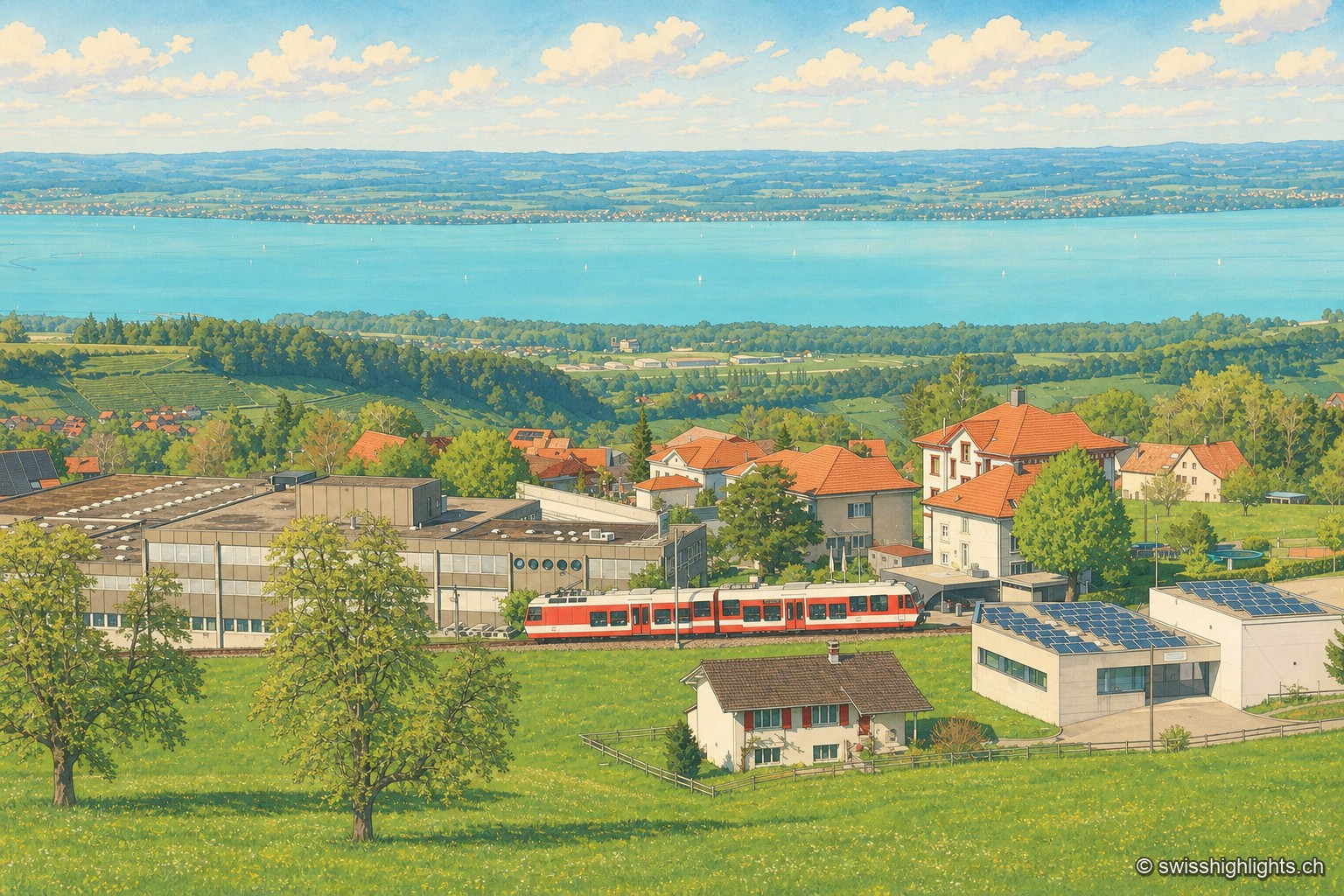
A township of 4,383 inhabitants spread between 400 and 790 metres, a cure resort since 1848, linked to the lakeshore by a rack railway. Henri Dunant spent his last eighteen years here.
Ridge village · Appenzell · 8 km as the crow flies
Schlatt AI
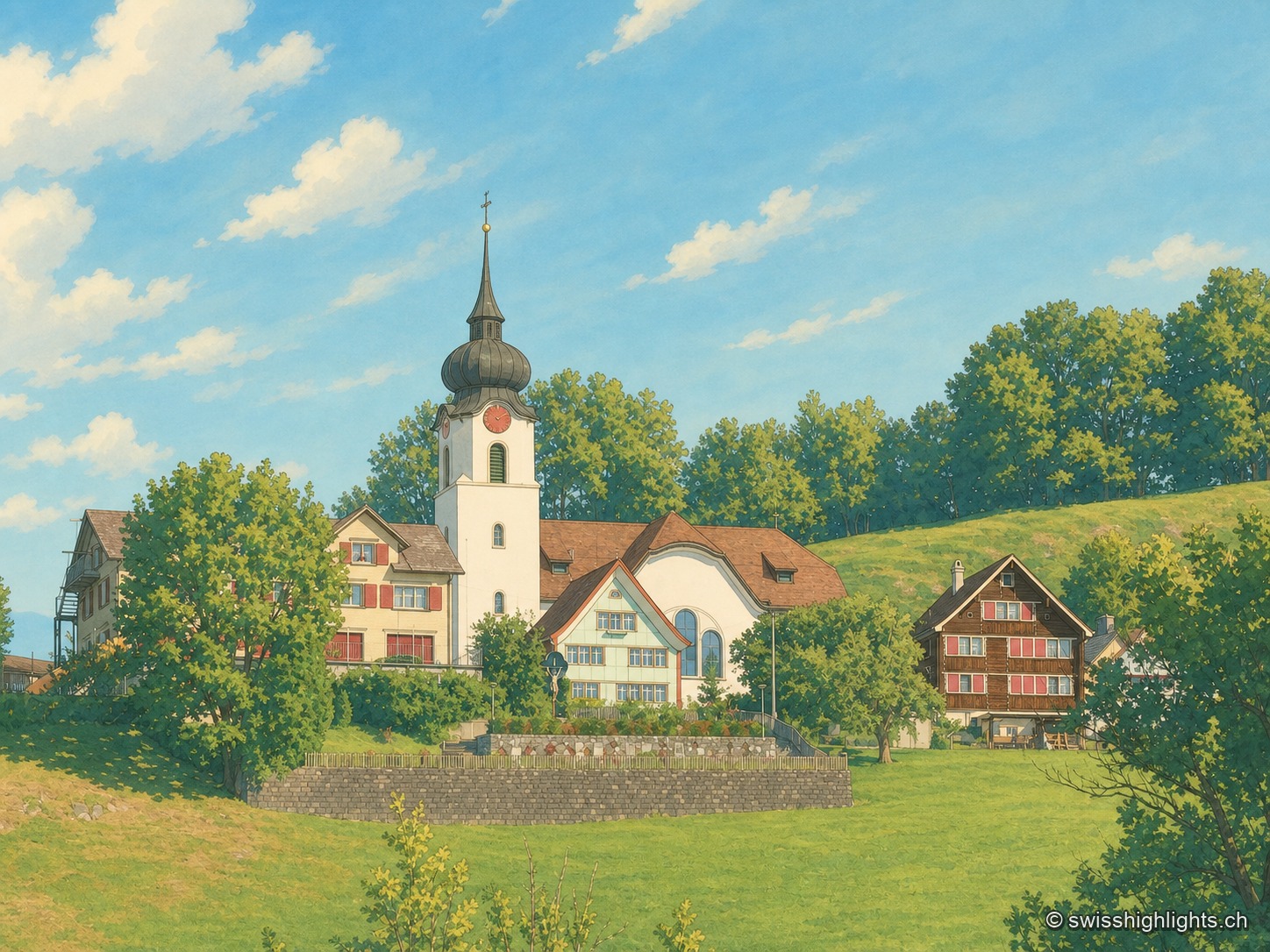
The name is written around 1200, as Slatte, for a pasture on a slope. The road to Appenzell came only in 1898, and the church was consecrated on 12 June 1912. The site is listed in the ISOS inventory under number 0391.
Village · Appenzell Innerrhoden · 10 km as the crow flies
Appenzell
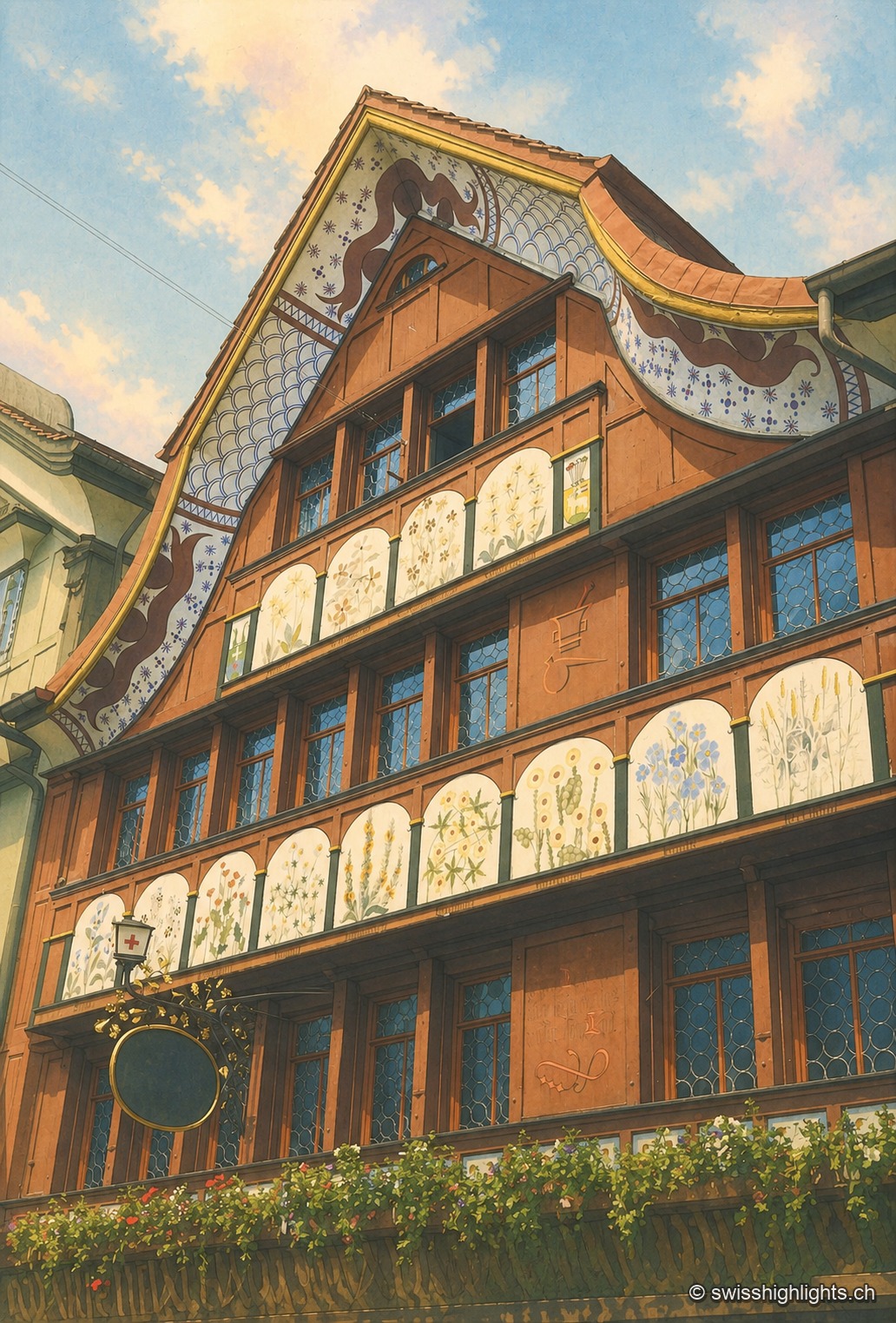
A township of 5,778 inhabitants at the foot of the Appenzell Prealps, whose name, recorded in 1071, means the abbot's cell. On its square, citizens still vote by show of hands.