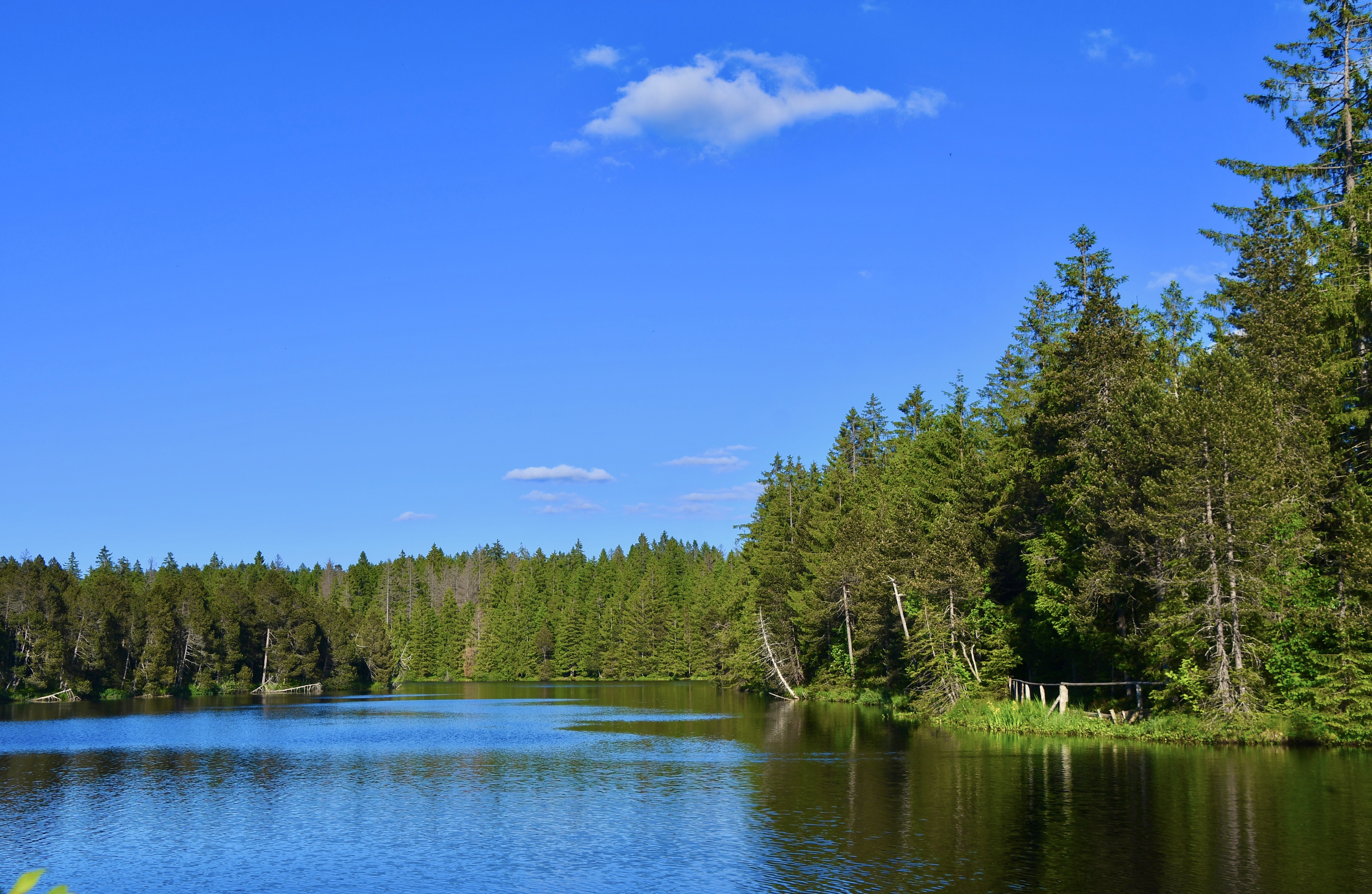
Protected raised bog · Jura
Étang de la Gruère
At 998 metres, in the municipality of Saignelégier, a body of water five hundred metres long bordered by a 56-hectare peat bog, where peat has built up to nine metres thick over twelve thousand years.
Regions
The canton of Jura brings together 6 places referenced on Swiss Highlights: 2 natural sites, 1 heritage or cultural site, 2 villages and 1 town.
Protected raised bog · Jura
At 998 metres, in the municipality of Saignelégier, a body of water five hundred metres long bordered by a 56-hectare peat bog, where peat has built up to nine metres thick over twelve thousand years.
Family suggestions
Couple suggestions
Related collections
Best Swiss Villages members · “The 50 most beautiful sites” (Switzerland Tourism)
Protected raised bog · Jura
At 998 metres, in the municipality of Saignelégier, a body of water five hundred metres long bordered by a 56-hectare peat bog, where peat has built up to nine metres thick over twelve thousand years.
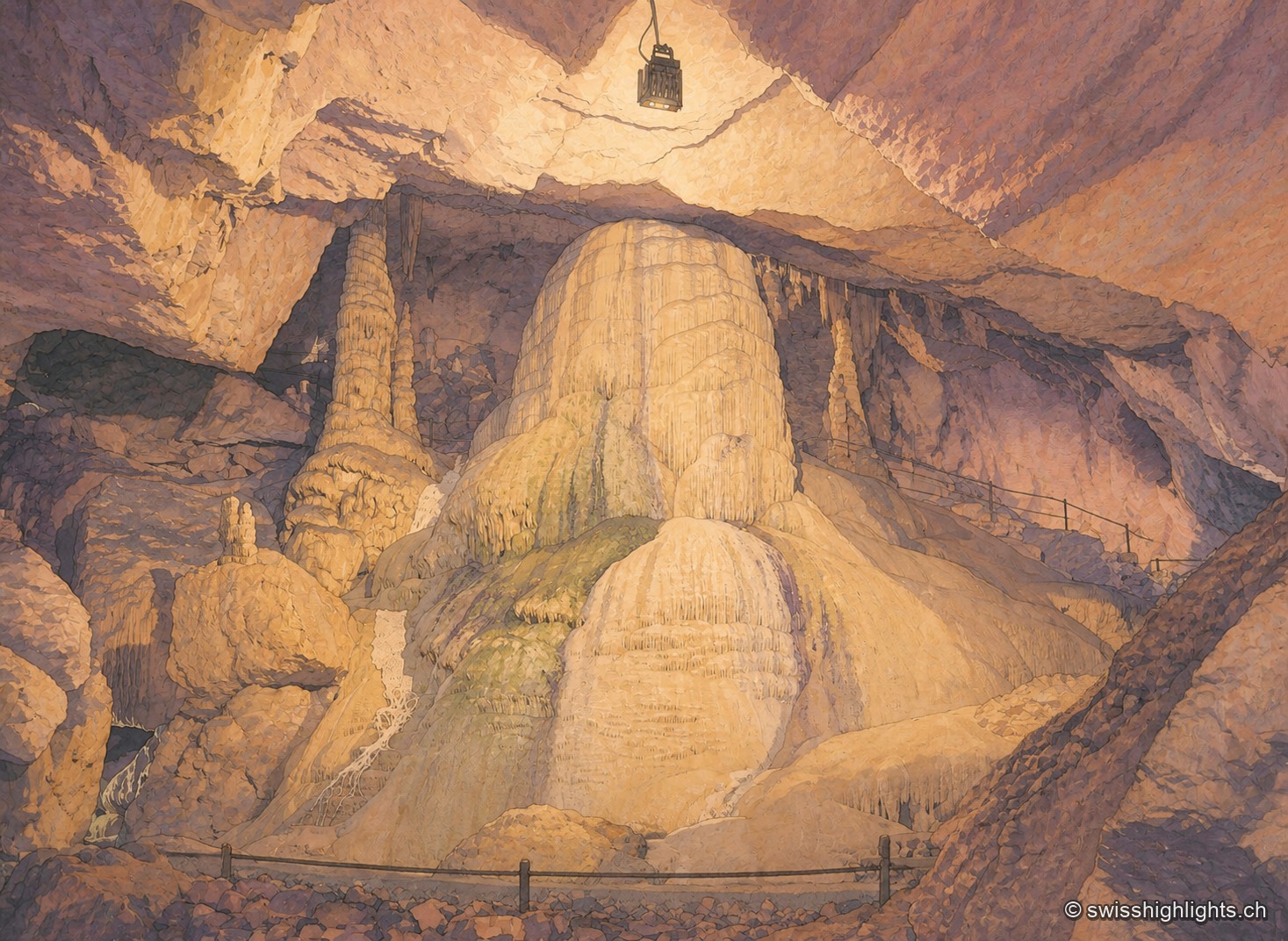
Show cave · Jura
A pit that farmers called the 'Trou du Fahy' and used as a dump, revealed by the regional press in 1889: the Grottes de Réclère formed by collapse in a Jurassic limestone about 155 million years old.
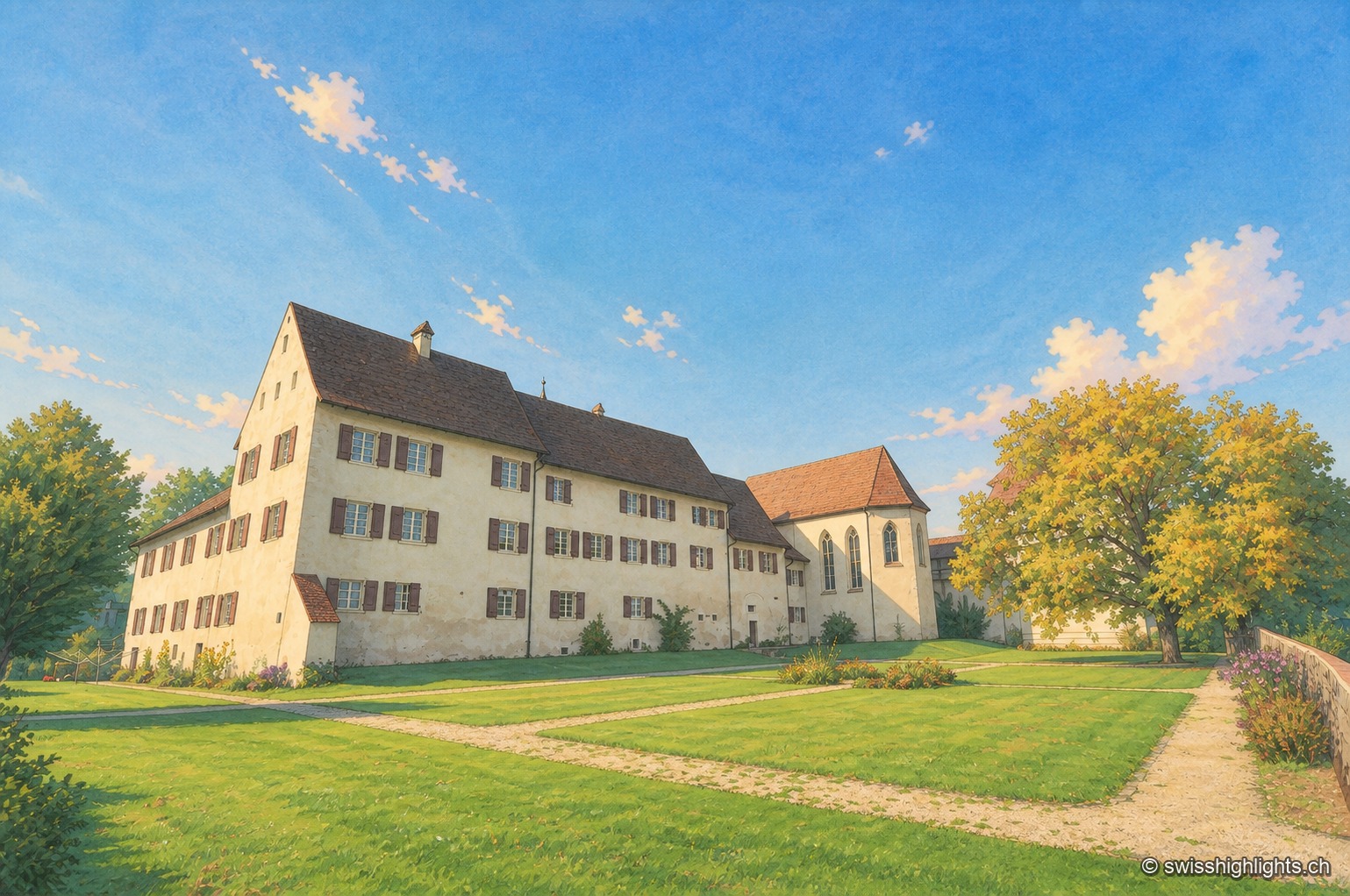
Hamlet and ruin · Jura
The hamlet of Löwenburg, the only German-speaking part of the commune of Pleigne, combines a castle ruin founded in the 10th century with a 16th-century fortified farm; the Christoph Merian Foundation of Basel has restored it since 1956.
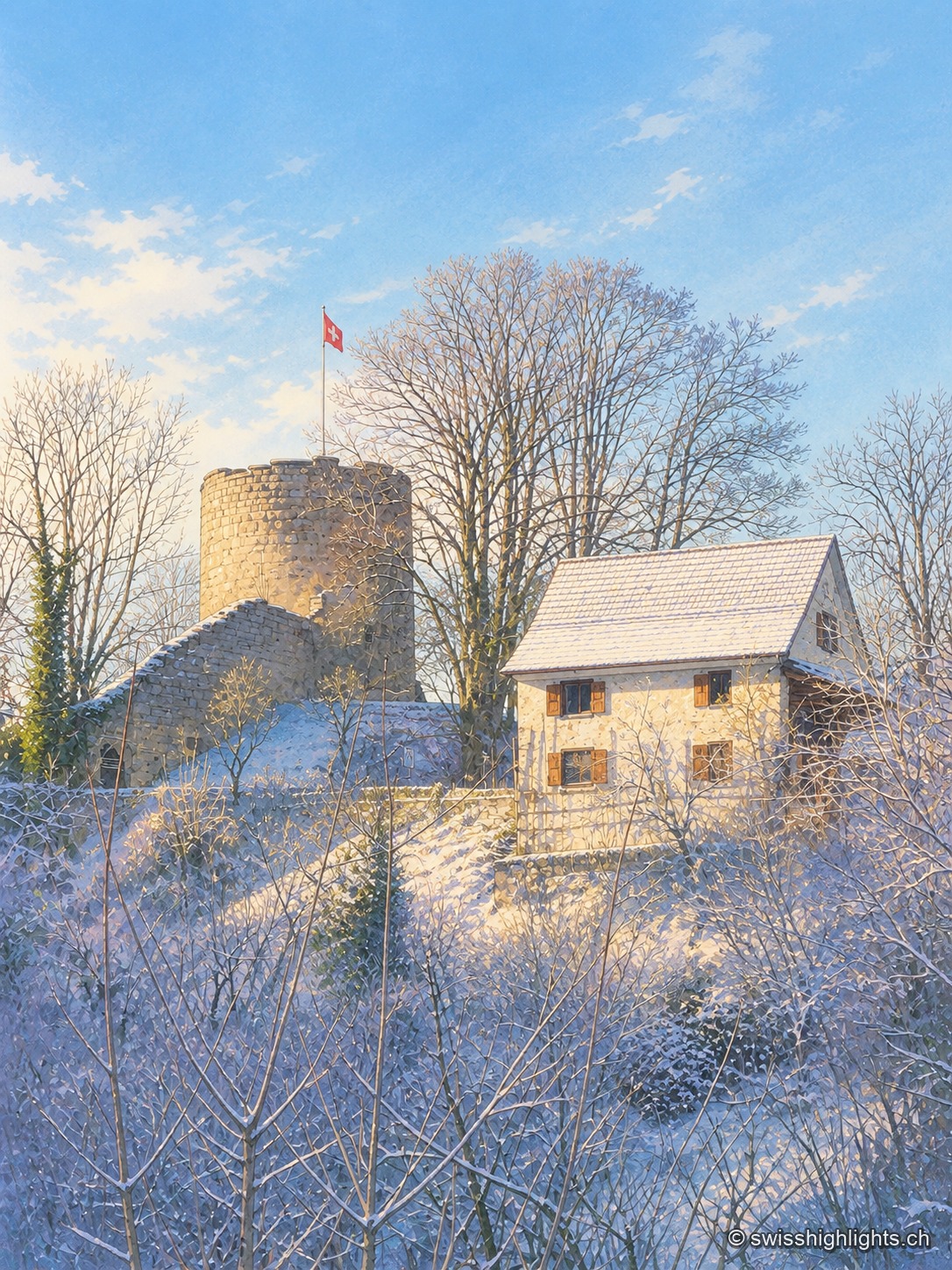
Castle village · Ajoie
At 580 metres, between forested heights, Pleujouse amounts to one street. The village formed around its fortress, which passed to the bishopric of Basel at the end of the 14th century and was rebuilt after the fire of 1980.
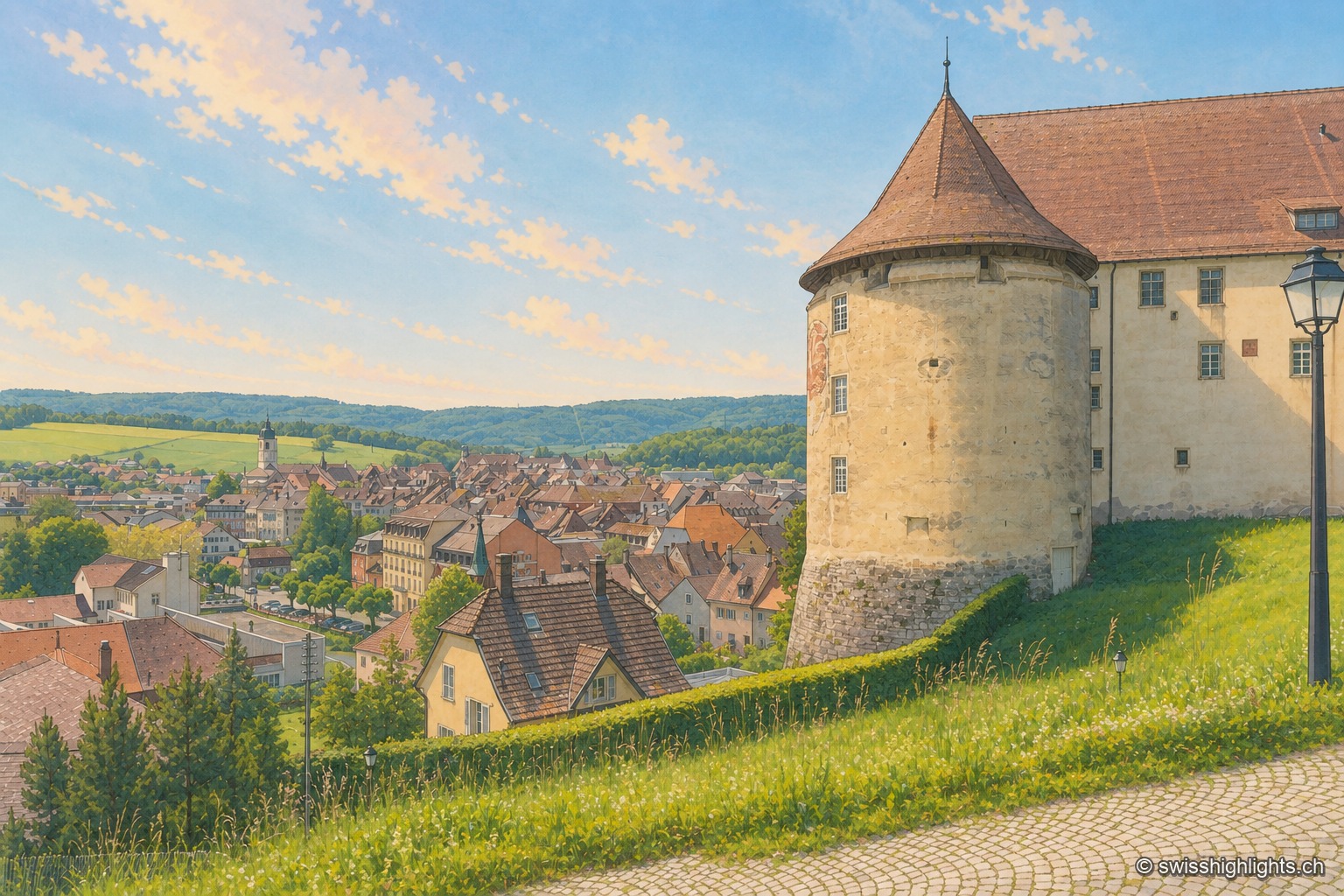
Town · Ajoie, canton of Jura
Driven from Basel by the Reformation, the prince-bishops settled in Porrentruy after 1528; their supposedly provisional residence lasted until 1828. Castle, Jesuit college, hôtel-Dieu and stone fountains still hold its measure.
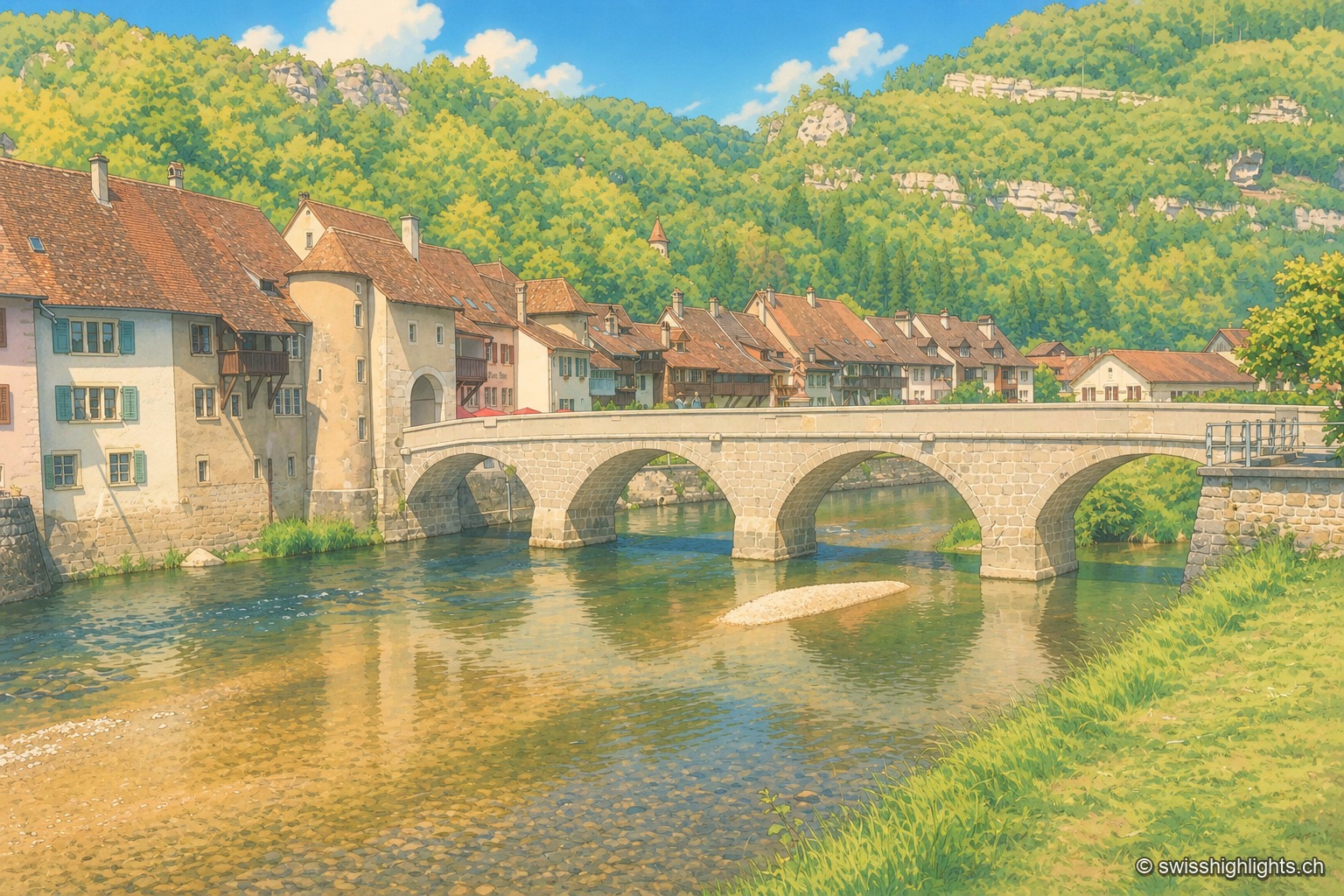
Medieval small town · Jura
Born around a Benedictine abbey, it keeps its Romanesque collegiate church, its cloister and burgher houses from the 14th to the 16th century. At 440 metres, between wooded cliffs and river, it left its isolation only in 1877.